India is to explore PMS across a 10,000km² region in the Carlsberg Ridge in the Indian Ocean.
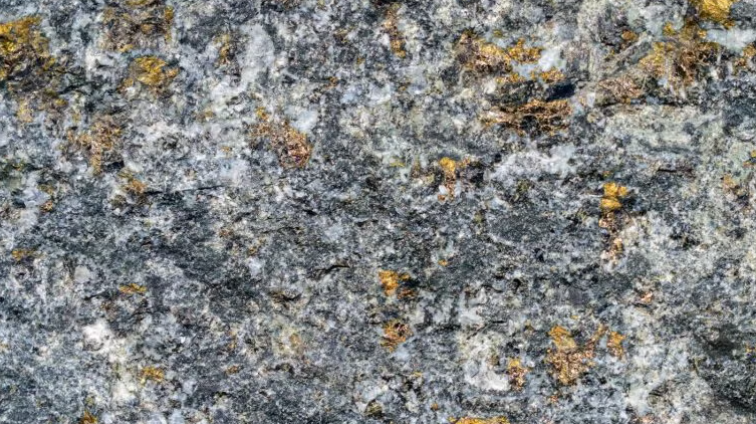
India’s earlier contract with the ISA permitted exploration in the Central and Southwest Indian Ridges. With this new agreement, India now holds the largest exploration area allocated by the ISA for deep-sea mineral deposits, according to Reuters. PMS deposits, found near hydrothermal vents on the ocean floor, are rich in metals such as copper, zinc, gold, and silver. These resources are vital for clean energy technologies, electronics, and advanced industries.
Union Minister Jitendra Singh stated: “India’s 30-year association with the ISA has been a source of pride, and as ISA celebrates its 30th anniversary, India reaffirms its commitment to working closely with ISA to deliver on its mandate for the common heritage of humankind.” India is also pursuing exploration licenses in the Pacific Ocean to expand its deep-sea mining efforts.
MoES Secretary M. Ravichandran highlighted the significance of the agreement, saying: “This marks India as the first member state and government contractor of ISA to hold two PMS exploration contracts. It is also a matter of pride that India now has the largest area allocated globally in the International Seabed for PMS exploration.” The National Centre for Polar and Ocean Research in Goa, an autonomous institute under MoES, played a key role in securing this contract.
The agreement strengthens India’s position in global deep-sea mineral exploration, supporting its goals in sustainable resource development. Last month, Reuters reported that India is taking steps to open its nuclear sector to private companies for uranium mining, importing, and processing, marking a shift from a state-controlled framework.