Perpetua Resources has received conditional approval from the U.S. Forest Service (USFS) to begin development of the Stibnite Gold Project in Idaho. The conditional Notice to Proceed (NTP), issued on September 19, 2025, confirms that the project meets all requirements outlined in the January 2025 Record of Decision (RoD).

The conditional NTP confirms that all conditions outlined in the January 2025 RoD have been met.
The start of construction depends on securing financial assurance bonds, as agreed upon by the USFS, the Idaho Department of Lands, and the U.S. Army Corps of Engineers. Last week, these agencies finalized a joint financial assurance package for the project’s construction phase. The USFS stated that it will approve Perpetua’s plan of operations once the bonds are in place, allowing initial work to begin. The company anticipates securing the bonds within the coming weeks.
Emily Domenech, Executive Director of the Federal Permitting Improvement Council, said: “Completing federal permitting for Perpetua Resources’ Stibnite Gold Project is a major step towards unlocking America’s critical minerals resources. By redeveloping this historic mining site, we can both restore the environment and secure a domestic supply chain that is essential to our nation’s future.”
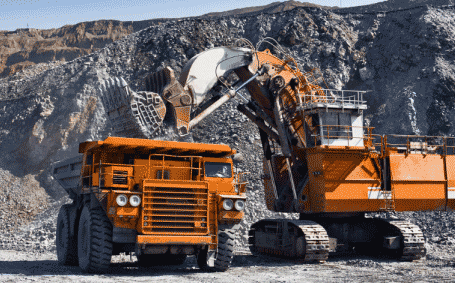
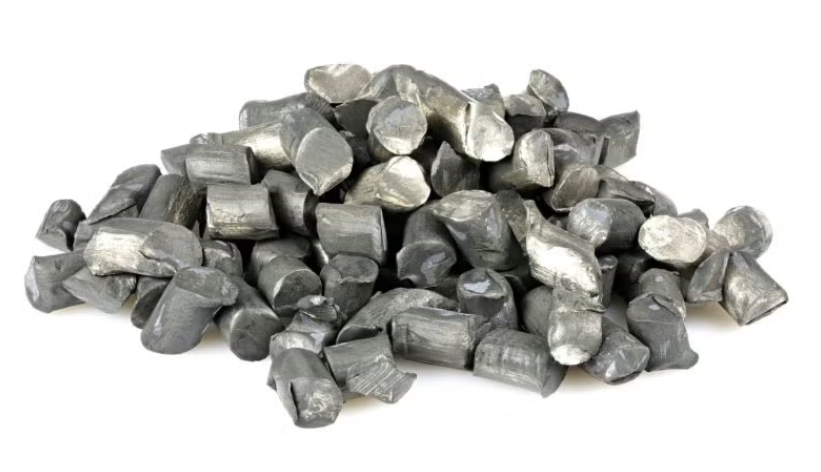
The Stibnite Gold Project focuses on producing antimony, a key mineral for U.S. defense systems, while addressing historical environmental impacts at the site. The project includes plans to remediate legacy contamination, restore native fish habitats, and create significant job opportunities in Idaho. It was listed on the FAST-41 Program Transparency Projects in 2025 to support domestic mineral production.
Jon Cherry, President and CEO of Perpetua Resources, stated: “After eight years of extensive permitting review and over $400m invested, it is finally time for the Stibnite Gold Project to deliver for America. A united vision to produce critical resources urgently needed for national security and to restore an abandoned site, along with the feedback from our communities, have guided us to this monumental milestone.”
The permitting process, initiated in 2016 under the National Environmental Policy Act, involved thorough environmental reviews. Over 23,000 letters of public support were received during comment periods, according to Perpetua. In June 2025, the company raised $425 million through a public offering and private placement to fund the project’s advancement.