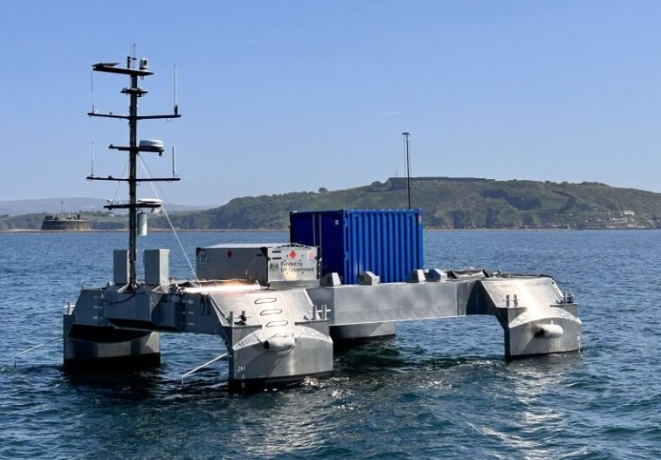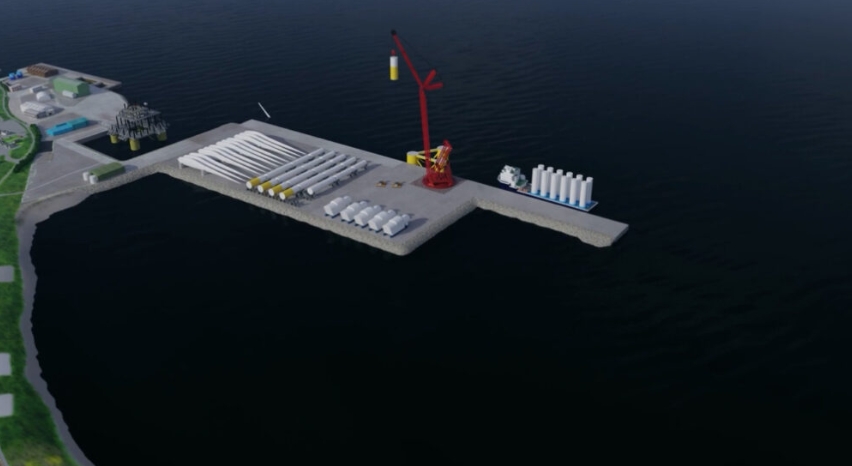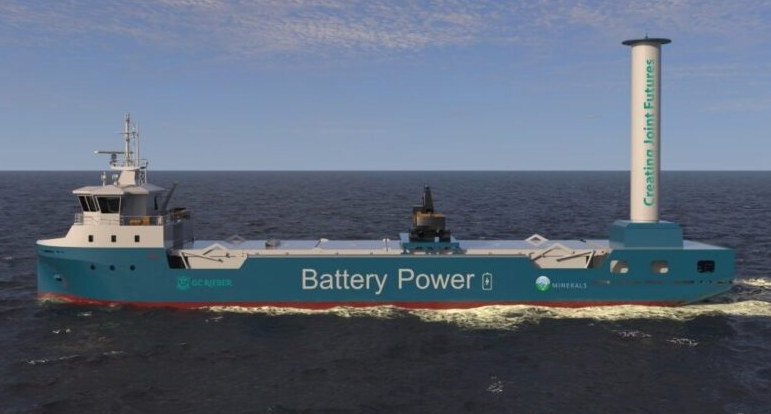
The expansion builds on STAX’s ongoing partnership with Associated British Ports (ABP) Southampton. STAX, ABP, British carbon capture firm Seabound, and maritime transport company Lomar Shipping form a consortium that recently secured funding under the UK’s Clean Maritime Demonstration Competition 6 (CMDC6). The consortium is working on the Port Zero project—Enabling Zero-Emission Ports via Carbon and Air Pollution Capture from Berthed Vessels—aimed at decarbonizing port operations while improving air quality in surrounding communities.
Mike Walker, CEO of STAX Engineering, stated: “When ports and governments see immediate results without operational disruption, expansion of green solutions and growth-oriented regulation becomes inevitable.” He noted that interest in deploying new-generation marine technologies in the UK has been increasing, with stakeholders recognizing the benefits of scalable clean solutions.
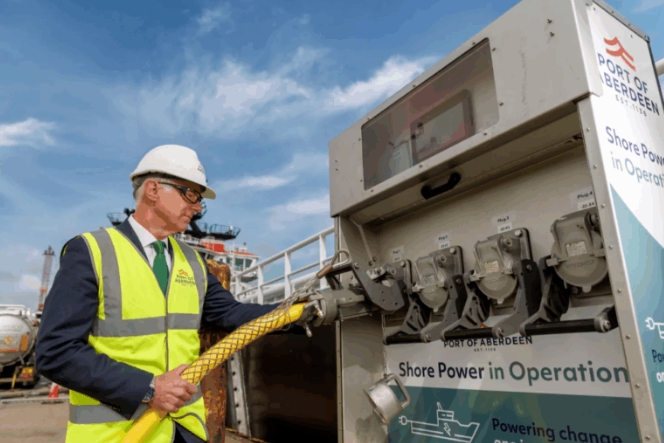
Despite this growing interest, shore power infrastructure across Europe remains limited. STAX reports that only one out of seven UK ports currently has the necessary connections, and just one in five major EU ports is equipped to provide shore power. In Southampton, two high-voltage systems are installed, but only one can operate at a time due to grid limitations. A July 2025 report by Norway-based classification society DNV, commissioned by Transport & Environment, indicated that only about 20% of the EU’s required electric shore power infrastructure is installed or operational in major ports. Consequently, most containerships, cruise ships, and ferries still rely on fossil fuels while docked. The report suggests the EU must triple or quadruple installed shore power capacity to meet net-zero targets.
STAX is also expanding its efforts in the United States. In California, the company has captured nearly 200 tonnes of emissions and continues to scale operations through partnerships with carbon capture providers. Its technology, which targets auxiliary engines, reportedly reduces up to 99% of particulate matter (PM) and 95% of nitrogen oxides (NOx). At the end of July 2025, California’s Port of Hueneme received its second STAX emissions capture barge. The port now operates two of eight barges planned for deployment in the state.
The company’s UK expansion aims to replicate these successes, delivering measurable emissions reductions and supporting the development of zero-emission ports. By combining carbon capture with emerging marine technologies, STAX Engineering is positioned to contribute significantly to cleaner port operations and improved air quality in maritime hubs across the UK and Europe.