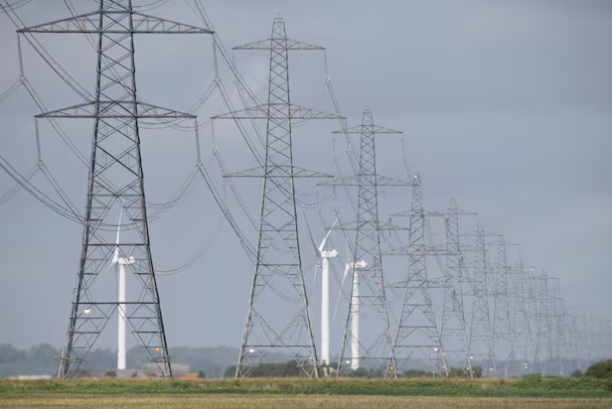
Onshore wind turbines at Little Cheyne Court Wind Farm operate beside electricity pylons in Dungeness, Britain, July 10, 2024.
Standing charges are fixed daily fees added to the cost of gas and electricity, designed to cover the costs associated with connecting households to the energy system. Consumer groups have criticized these charges, arguing that they are unfair since they must be paid regardless of how much energy is consumed.
Under the new rules, Ofgem expects suppliers to shift the costs typically covered by standing charges to other areas of the bill, such as higher unit energy prices. This change is expected to make a variety of tariffs available, offering consumers more choice in how they structure their energy payments.
Minister for Energy Consumers, Martin McCluskey, commented: "This proposal will make more tariffs available on the market, giving people more options to pay lower standing charges if that suits their needs." The new regulation aims to provide consumers with greater flexibility in choosing tariffs that align with their energy usage patterns.
Although the changes may lead to more diverse tariff options, the overall impact on household bills is uncertain, and experts have noted that while some customers may benefit, others might see an increase in their energy costs. The shift in how standing charges are applied is part of Ofgem's ongoing efforts to improve transparency and consumer choice within the UK's energy market.