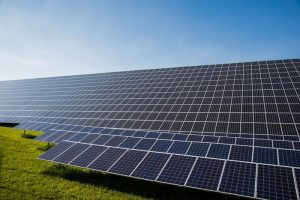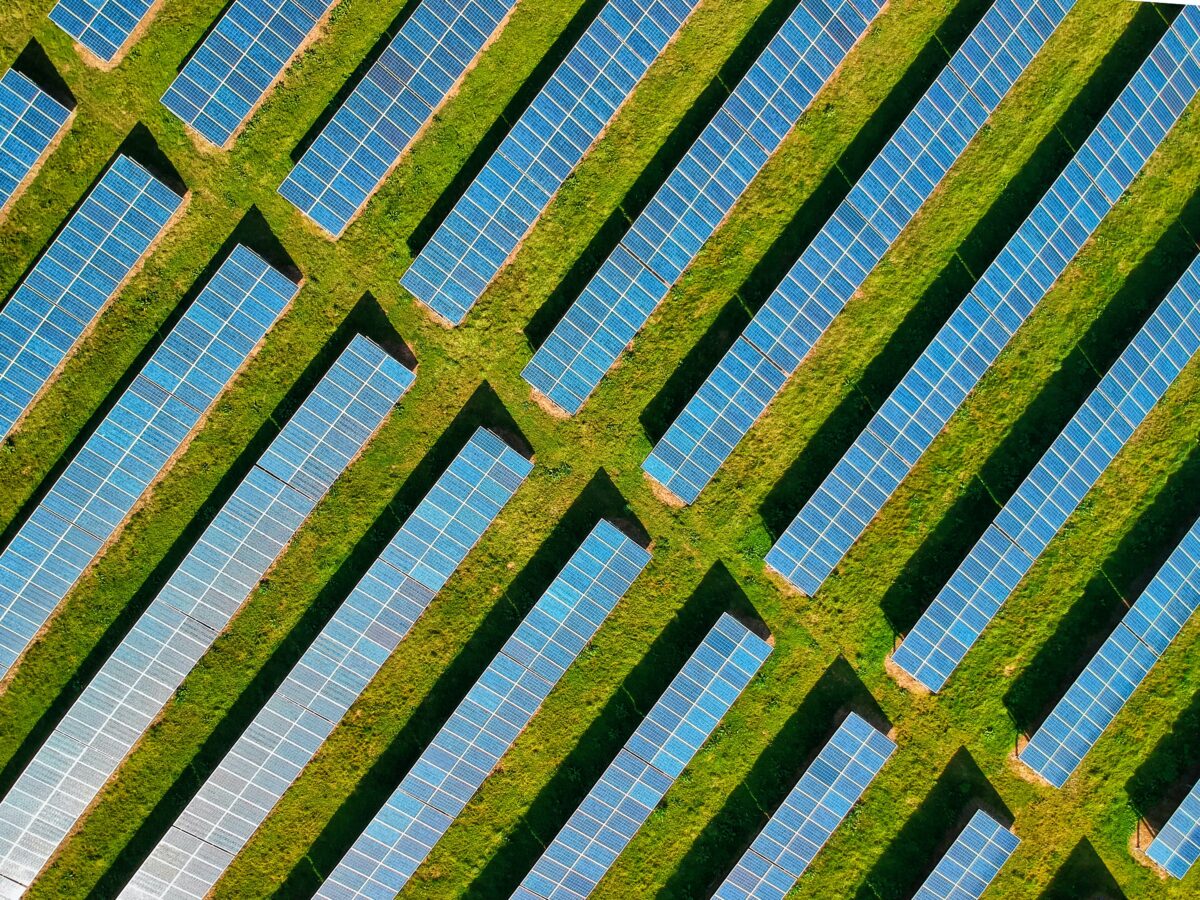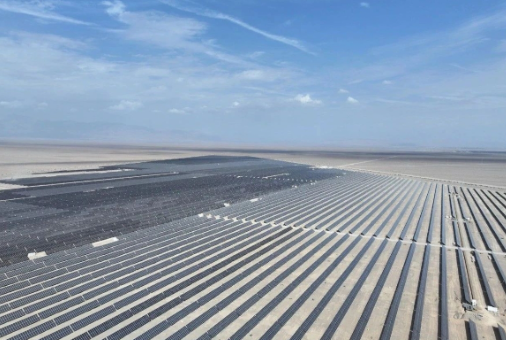
The project, located on 1,817 hectares at the southern foot of the Tianshan mountains, includes a 100 MW linear Fresnel CSP unit with eight hours of molten salt storage and 900 MW of PV capacity. With annual sunshine exceeding 3,000 hours, the region offers favorable conditions for solar development. Construction started in 2023. The PV section was completed and connected to the grid by the end of 2024, while the thermal plant began full operation in September 2025, 42 days ahead of schedule. Total investment reached CNY 3.53 billion ($480 million), with core engineering, procurement, and construction services provided by China Energy Engineering’s Northwest Institute and other domestic suppliers.
The thermal unit uses 260,000 curved reflectors to direct sunlight onto 800,000 square meters of absorber tubes, heating molten salt to 550°C. The design improves heat conversion efficiency by up to 10% compared with conventional Fresnel systems. A 46-loop modular layout enables operation during maintenance, while innovations in salt circulation support reliable performance even in winter conditions of minus 20°C.
The hybrid design ensures continuous supply. During daylight, the PV array generates electricity at full capacity while charging the molten salt system. At night or under low sunlight, stored heat drives steam turbines for stable output. A centralized control system coordinates PV and thermal generation, achieving frequency regulation accuracy of around 0.02Hz with response times of under one second.
At maximum output, the Hami plant is expected to generate 2.07 TWh annually, enough to supply 830,000 households. It will reduce carbon dioxide emissions by 1.63 million tons per year and raise renewable utilization rates in Xinjiang above 95%. The project also creates economic benefits, generating around 500 jobs and supporting local industries in solar equipment and engineering services. Ecological measures are underway, including planting drought-resistant vegetation to address desertification.
Beijing has identified hybrid CSP-PV projects with thermal storage as a strategic pathway for balancing intermittent renewables. The Hami facility sets benchmarks in Fresnel technology and molten salt performance, earning a place on the national list of advanced low-carbon demonstration projects.
Three Gorges Group plans to expand the Hami base to 3 GW in a second phase and apply the model in resource-rich provinces such as Inner Mongolia and Gansu. Analysts highlight that such integrated projects could play a central role in China’s long-term energy transition, providing scalable solutions for desert solar development and enhancing grid stability.