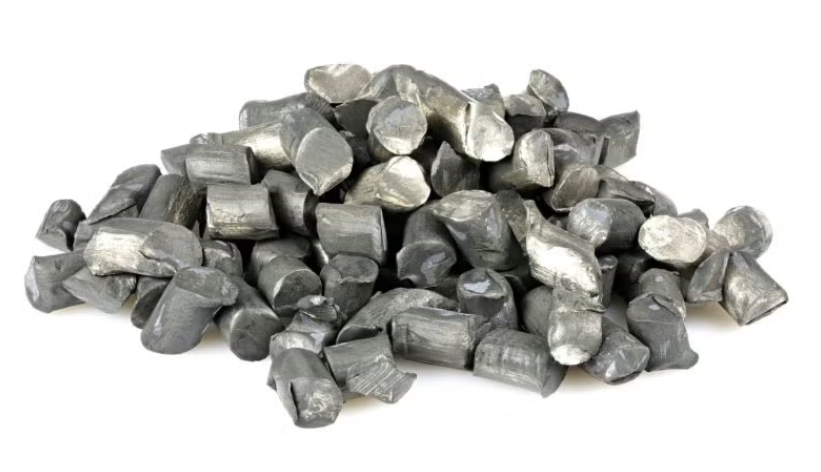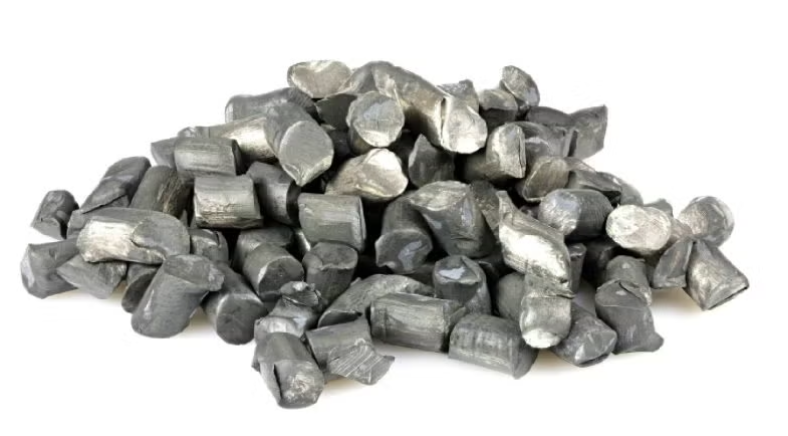
Lithium is primarily used in rechargeable Li-ion batteries that power electronics, EVs and energy storage systems.
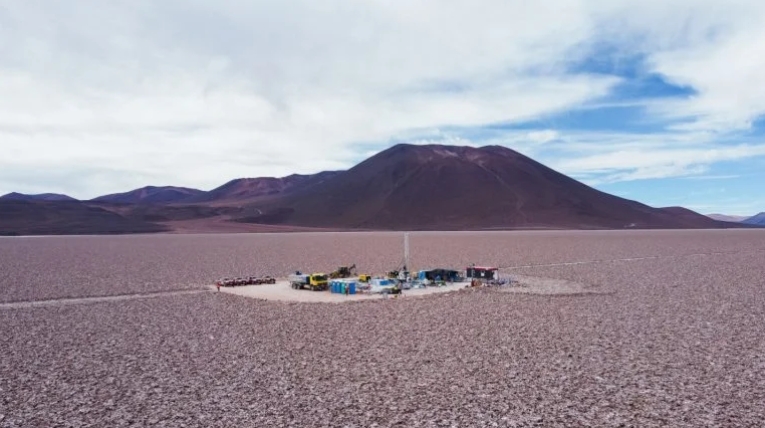
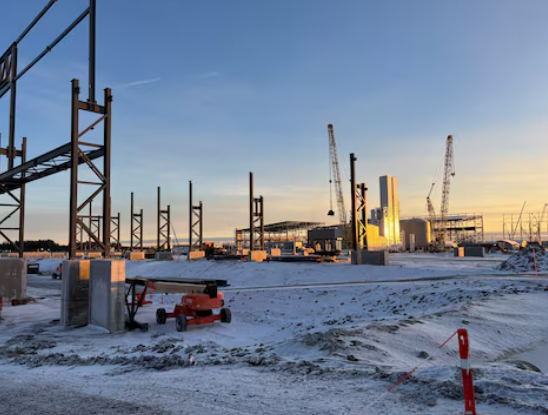
Thacker Pass, located 25 miles (40 km) south of Nevada’s border with Oregon, is expected to become the largest lithium source in the Western Hemisphere by 2028. The project is seen as pivotal for establishing a domestic supply of lithium, a critical material used in rechargeable lithium-ion batteries for consumer electronics, electric vehicles (EVs), and grid-scale energy storage. The mine’s initial production phase targets 40,000 tonnes annually, a significant increase over the current US output of less than 5,000 tonnes.
The equity stake proposal coincides with ongoing discussions to reassess the loan terms, which have been affected by declining lithium prices reportedly linked to overproduction in China. To address this, Lithium Americas has offered no-cost warrants representing 5–10% of its common shares, providing potential government participation in the company without immediate cash outlay.
General Motors (GM) holds a 38% stake in the Thacker Pass project, following a $625 million investment. Under the existing agreement, GM has the rights to purchase all lithium from the first production phase and a portion from the second phase for 20 years. However, US officials are seeking additional assurances that GM will honor these purchase commitments and are also exploring options for partial project control to be transferred to the government.
The Thacker Pass project is viewed as strategically important for the United States, as lithium is a key input in the global EV and energy storage supply chains. Expanding domestic lithium production is expected to reduce reliance on foreign suppliers, particularly from China, which currently dominates global lithium output.
Analysts note that the government’s potential equity involvement reflects a policy approach aimed at securing critical raw materials while supporting industrial development. By combining financial support with partial ownership, the US hopes to strengthen domestic lithium production, stabilize supply, and enhance long-term energy security.
The project’s successful execution would not only increase domestic lithium output but also create opportunities for downstream manufacturing in battery and EV sectors. The integration of Thacker Pass into a broader national strategy highlights the growing importance of lithium in the transition to electric mobility and clean energy infrastructure.