The agreements cover several gold mines.
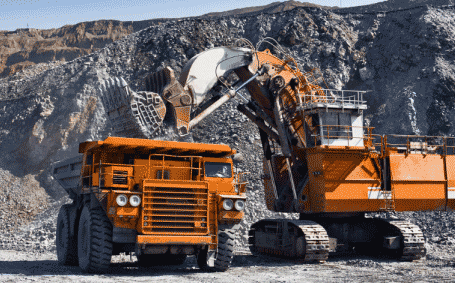
The agreements cover key gold mining sites, including the Sadiola project operated by an Allied Gold subsidiary, B2Gold’s Fekola mine, Resolute Mining’s Syama operation, and Ganfeng’s Bougouni project. These developments are among the first outcomes of Mali’s updated mining code, adopted in 2023, which raised royalty rates from 6.5% to 10% and increased minimum state and local ownership of mines from 20% to 35%.
The contracts follow preliminary arrangements made with the same companies between September and November 2024, according to Reuters. While Resolute Mining declined to comment, Allied Gold, B2Gold, and Ganfeng had not provided immediate responses to media inquiries. Other operators, such as Endeavour Mining, have already finalized agreements consistent with the revised code.
One unresolved issue remains with Barrick Mining, a Canadian operator, which is in an extended dispute with the Malian government. The situation has been complicated by the involvement of a former Barrick negotiator who is now serving as an adviser to Mali’s president.
Mali is one of Africa’s leading gold producers, and the government views the updated code as a mechanism to secure greater benefits from its natural resources. By ensuring stronger state equity and higher royalty income, the authorities intend to enhance the country’s long-term fiscal position and create broader opportunities for domestic participation in mining ventures.
At the same time, the shift in contractual frameworks introduces new considerations for investors operating in Mali’s resource sector. Companies are adjusting to higher state involvement and the stricter ownership requirements set by the 2023 reforms. Despite these changes, the signing of seven new agreements demonstrates that international and local operators continue to see potential in Mali’s mining industry.
The gold sector remains a central pillar of Mali’s economy, providing significant export earnings and employment opportunities. With global demand for gold maintaining steady levels, projects such as Fekola, Sadiola, Syama, and Bougouni are expected to play a key role in sustaining production volumes. The inclusion of local ownership requirements under the revised code also reflects an emphasis on expanding the economic contribution of mining beyond direct exports, toward broader social and fiscal benefits.
In summary, the approval of the seven new contracts underlines Mali’s strategy to increase state participation in mining while attracting continued investment in gold production. The agreements highlight both opportunities and challenges as the country seeks to balance investor engagement with enhanced national benefits from its mineral resources.