


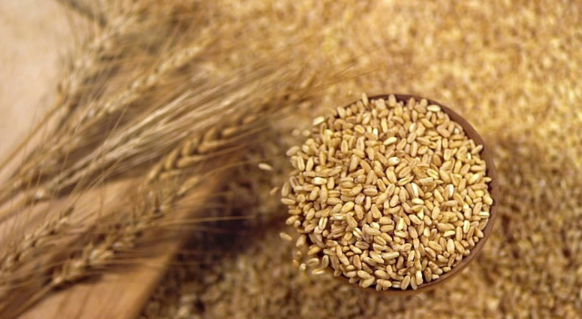
Wheat imports are projected to reach 6.7 million tons, an increase from 6.25 million tons in the previous marketing year. A temporary zero-duty import policy in 2024 made wheat more affordable in early 2025, improving profit margins for businesses. The FAS noted that 70% of wheat flour is used for bread production, with the remainder for cakes, biscuits, and pastries. Despite price fluctuations, bread demand remains consistent, with noodles as the second most popular wheat-based product. The European Union accounts for 45% of Nigeria’s wheat import market. From January to June 2025, US wheat exports to Nigeria rose by 246%, reaching $139.5 million compared to $40.3 million in the same period of 2024, driven by competitive pricing, a stable exchange rate, and improved economic conditions.
Corn imports are forecasted to grow to 0.26 million tons, up from 0.125 million tons in the 2024/25 marketing year, due to a stable exchange rate and reduced domestic production. US corn exports to Nigeria from January to July 2025 totaled 0.085 million tons, a significant rise from zero exports in the same period over the prior two years. Approximately half of these imports arrived after the duty waiver ended in May 2025, indicating that competitive pricing was a key factor. Domestic corn production is estimated at 11.9 million tons, slightly down from a previous forecast of 12 million tons but up from 11.2 million tons in 2024/25. The FAS attributes this adjustment to reduced harvested areas due to high input costs and increased reliance on imports, which have impacted efforts to expand domestic planting.
These trends reflect Nigeria’s growing demand for grains to support its food and feed sectors, particularly for poultry production, which consumes about 45% of domestic corn. The rise in imports is expected to support economic stability and meet consumer needs while addressing challenges in local production due to cost pressures.
