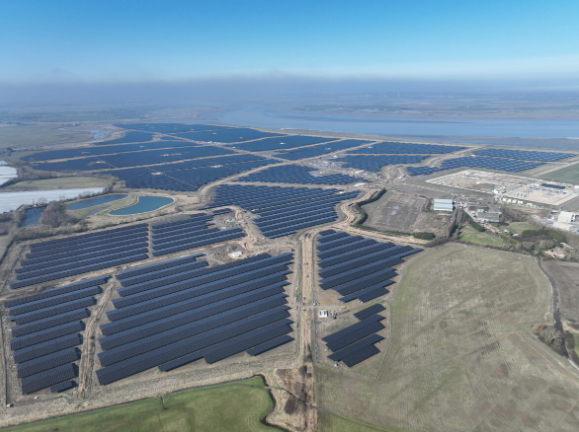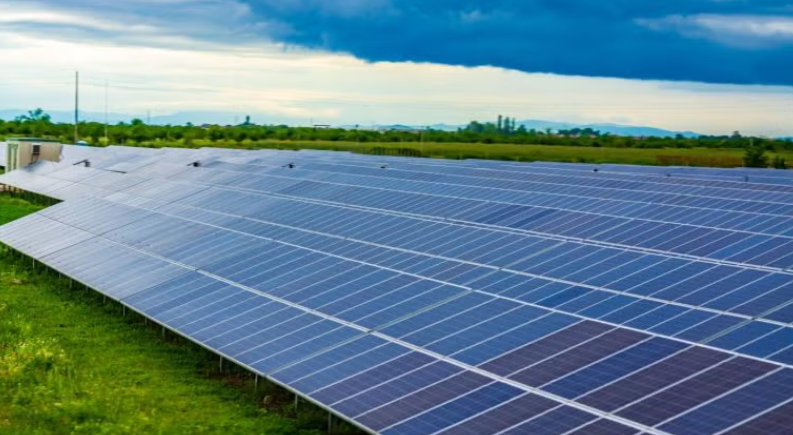
The facility combines 50MW of solar PV capacity with a 5 MWh BESS.
The inauguration ceremony was attended by Mahamat Ahmad Alhabo, Minister of State and Secretary-General of the Presidency of Chad, several government ministers, GSU CEO and managing director Ali Alshimmari, and the United Arab Emirates Ambassador to Chad, Rashid Al Shamsi.
The plant integrates 50MW of solar PV capacity with a 5 megawatt-hour battery energy storage system. Over its lifetime, the project is projected to displace more than 1.36 million tonnes of carbon dioxide. Operated by GSU, the installation will provide large-scale clean energy to meet rising demand while lowering fuel imports.
Ali Alshimmari said: “This is the first project we have delivered from signature to commissioning in Africa. It proves how quickly these markets can move when there is determination and effective partnerships that turn challenges into opportunities. At its heart, this project is about people: about enabling families, communities and nations to thrive with the stability that clean power brings.”
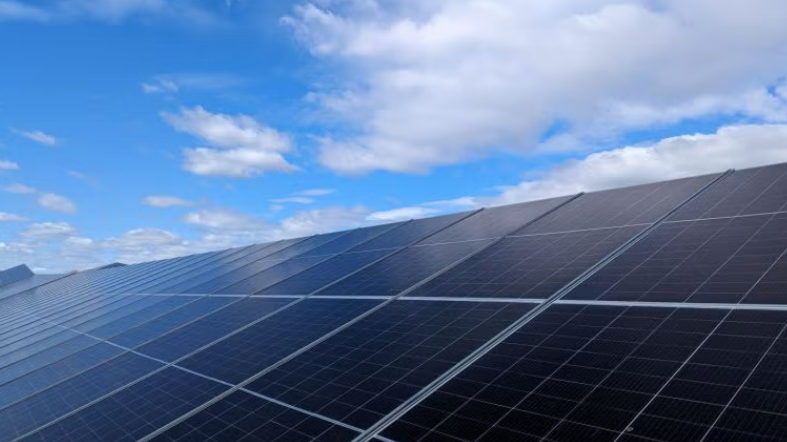
The construction phase required more than 350,000 work-hours, including the installation of 81,000 solar panels and 158 inverters. The system also features integrated storage technology to support grid stability. GSU emphasized that the facility will serve as a model for future renewable energy initiatives in Chad, accelerating access to sustainable power.
The Noor Chad plant is part of GSU’s broader expansion strategy across Africa. The company is building a portfolio of clean energy projects to support regional growth and energy diversification.
In addition to African operations, GSU recently completed its first investment in Central Asia and the wider Commonwealth of Independent States by acquiring a 51% stake in Uzbekistan’s Yashil Energiya. The deal grants GSU a seat on the company’s board, though financial terms were not disclosed.
Yashil Energiya specializes in commercial and industrial distributed solar development. It currently operates 50MW of solar projects and has set a goal of producing 50% of its electricity from renewable sources by 2030.
The Noor Chad project highlights GSU’s commitment to expanding renewable energy infrastructure. By combining solar generation with battery storage, the installation demonstrates how innovative solutions can support reliable electricity access, reduce emissions, and enhance energy security in emerging markets.