


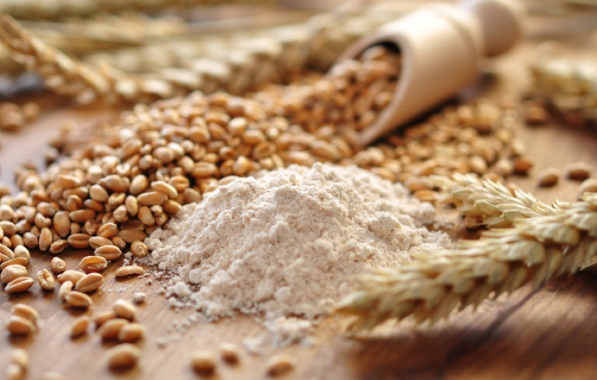
Kazakhstan has now become Georgia’s second-largest wheat supplier after Russia. The country consumes roughly 600,000–700,000 tons of wheat annually, relying primarily on imports. This year, poor domestic harvests and rising global wheat prices prompted Georgia to diversify its suppliers and secure more stable and reasonably priced grain from Kazakhstan.
Malkhaz Dolidze, Chairman of the Union of Grain Producers of Georgia, said: “Right now, it was advantageous for us to import from Kazakhstan. Why? Because our Kazakh comrades, when the state delegation visited Kazakhstan, suggested that Kazakhstan could supply Georgia with wheat. We purchased this wheat.”
Experts note that the main challenge in importing wheat from Kazakhstan is high logistics costs. However, considering the sharp increase in global wheat prices, Kazakh wheat remains competitively priced, which explains the surge in imports this year.
Bread remains Georgia’s most important staple, with numerous wholesale and retail bakeries across the country. In Tbilisi alone, there are approximately 130 workshops producing traditional bread and pastries.
Dali Dumberidze, Bakery Shift Supervisor, commented: “Our workshop has been operating for 25 years. We bake approximately 10,000 pieces of bread per shift, and we work three shifts. We bake bread in stone ovens. Bread is of great importance, as we Georgians eat it most often.”
Georgia has also been increasing domestic wheat production. This year, the country harvested about 200,000 tons, but this remains insufficient to meet local consumption, making imports necessary. The combination of domestic production and strategic imports from Kazakhstan helps stabilize supply and ensures that bakeries can continue producing staple bread and pastries for the population.
The recent increase in Kazakh wheat imports illustrates Georgia’s efforts to strengthen its food security and manage rising global prices, while supporting both domestic consumption and the bakery industry. By diversifying suppliers and maintaining a balance between local production and imports, Georgia aims to meet demand efficiently and sustainably.
