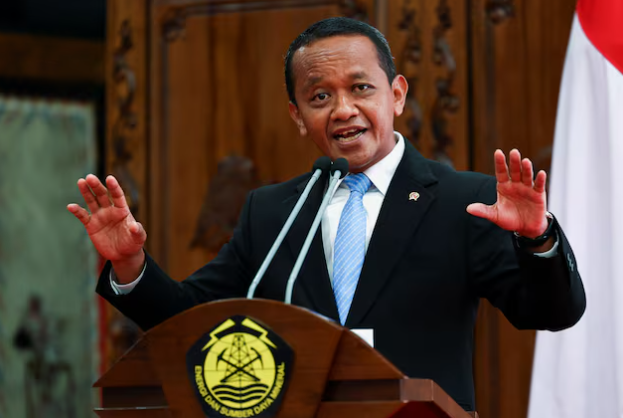
Indonesia’s energy minister Bahlil Lahadalia gestures while delivering his speech during a signing ceremony for a Memorandum of Understanding (MoU) concerning renewable and clean energy and energy conservation, in Jakarta, Indonesia April 21, 2025
Minister Lahadalia stated in a press release on Tuesday that the government’s target is “to push for B50” by 2026 to stop gasoil imports. He previously mentioned that Indonesia might increase the mandatory blend to 45% before moving to B50. The plan is part of broader efforts to promote renewable energy and reduce import dependence while supporting the domestic palm oil industry.
According to an official from the Ministry of Energy, laboratory testing of the B50 fuel blend was completed in August, marking a significant step toward its rollout. The next stage will involve road trials to ensure the biodiesel’s performance and compatibility under real-world conditions. The government expects these tests to confirm that the higher palm oil content can be safely and efficiently adopted in commercial use.
Data from the Energy Ministry shows that implementing B50 would require around 20.1 million kilolitres of palm oil-based biofuel each year, compared with 15.6 million kilolitres under the current B40 program. This increase represents a substantial rise in domestic consumption of palm oil, which may influence global market dynamics given Indonesia’s position as the world’s top palm oil exporter. The country’s growing internal demand could limit export volumes, potentially impacting international prices of the commodity.
Indonesia’s biofuel program has long been central to its strategy of balancing energy needs with economic and environmental considerations. By utilizing palm oil as a key feedstock, the government aims to create a sustainable energy source while supporting farmers and reducing the outflow of foreign exchange spent on fuel imports. The B50 plan aligns with Indonesia’s broader renewable energy roadmap, which seeks to increase the share of clean energy in the national energy mix.
As preparations continue, Indonesia’s transition toward B50 marks a major milestone in its bioenergy development. The initiative underscores the country’s commitment to strengthening energy independence and optimizing its natural resources to meet future demand in a more sustainable manner.