Companies are required to submit their RKAB proposals between 1 October and 15 November each year.
Mining Minister Bahlil Lahadalia first indicated the change in July. Under the new rules, 2025 quotas remain valid, but companies must reapply for quotas previously granted for 2026 and 2027. Mining firms are required to submit their work plan and budget (RKAB) proposals annually between 1 October and 15 November. RKAB proposals outline the requested mining volumes and associated budgets for the period.
The Indonesian Coal Mining Association (APBI) expressed concern over the shortened submission and approval timeframe for 2026, stressing the potential impact on operations. APBI Executive Director Gita Mahyarani stated: “This is closely related to certainty in business sustainability, from investment to contract fulfilment.”
The updated regulations also require miners to demonstrate that they have allocated specific funds for land rehabilitation after mining activities, which is now a prerequisite for RKAB approval. This aligns with the ministry’s recent suspension of 190 mining permits for non-compliance with land rehabilitation and production quotas, as reported by state media outlet Antara.
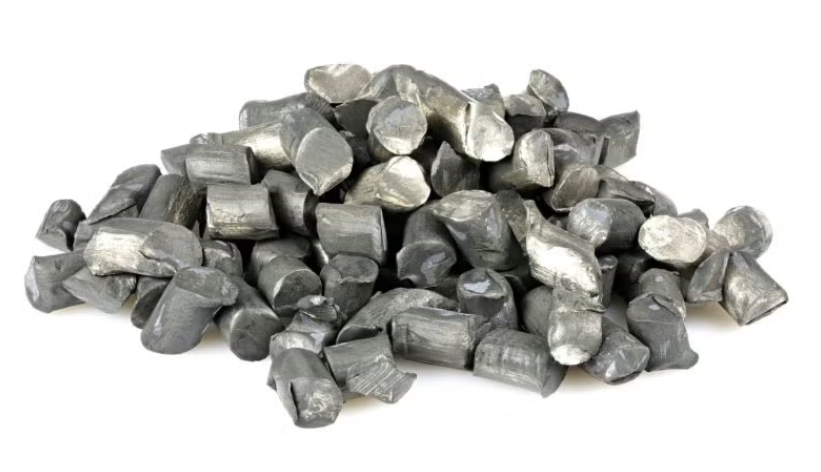
In addition, last month, authorities seized a 148-hectare area at PT Weda Bay Nickel’s concession due to a missing forestry licence. Another 173-hectare site managed by PT Tonia Mitra Sejahtera in south-east Sulawesi was also confiscated. These enforcement actions have affected nickel production, influencing global nickel prices, as Indonesia remains the world’s largest producer of nickel products.
The government’s adjustments to quota validity and RKAB requirements signal a tighter regulatory framework aimed at ensuring sustainable mining practices while maintaining control over output. The new approach prioritizes compliance with environmental obligations, including post-mining land rehabilitation, and aims to improve oversight of production levels to stabilise the domestic and international commodity markets.
Mining companies will need to adapt their planning and financial allocations to meet these requirements, particularly for nickel and coal, where production levels directly influence global supply and pricing. Observers note that the changes may also prompt closer monitoring of permit compliance and more frequent interactions between mining operators and regulators.
Overall, Indonesia’s revised quota system underscores the government’s intent to balance resource exploitation with environmental stewardship and market stability, while ensuring that mining activities contribute to long-term sustainability and regulatory compliance.