According to Malov, the projected increase aims to ensure stable export performance while maintaining balance within the domestic market. In 2025, Russia’s export quota for wheat was set at 10.6 million tons, while quotas for barley and corn were zero. The existing quota system applies from February 15 to June 30 each year and operates under a floating export duty mechanism. The level of duty is adjusted in response to global market price fluctuations, allowing authorities to regulate exports more flexibly in line with international trends.
Russia first introduced the grain export quota mechanism in 2021 as part of broader efforts to maintain price stability and food security within the domestic market. The policy has since become a key tool for managing both supply and export competitiveness. Officials stated that the approach has supported stable grain prices and ensured sufficient supply to meet internal demand, while also enabling Russia to remain one of the world’s leading grain exporters.
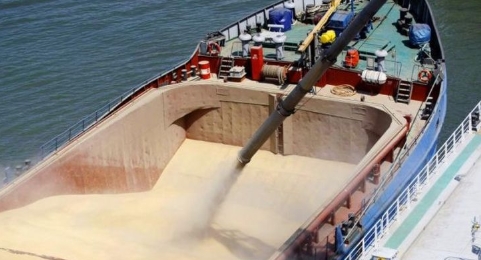
During the 2024–2025 agricultural season, running from July 2024 to June 2025, Russia exported approximately 53 million tons of grain in total. This included about 44 million tons of wheat, underscoring the country’s position as a major supplier in the global wheat trade. The remaining exports consisted primarily of corn and barley, though in smaller quantities.
The Ministry’s latest announcement suggests continued emphasis on balancing domestic needs with export potential. By slightly expanding the quota in 2026, authorities intend to leverage the expected higher yield while avoiding disruptions to local markets. The measure is viewed as part of a long-term policy framework designed to promote agricultural sustainability and maintain Russia’s strong presence in international grain markets.
The anticipated adjustment of export volumes also aligns with current forecasts of favorable weather conditions and ongoing improvements in crop management practices. Agricultural analysts note that the controlled quota system, combined with the floating export duty, offers flexibility in responding to both global demand shifts and internal consumption patterns.
In summary, the Ministry’s decision to consider a modest increase in the 2026 grain export quota reflects optimism about production performance and confidence in maintaining market balance. While specific figures have not yet been finalized, the policy framework remains focused on ensuring that both export growth and domestic supply stability progress in parallel, reinforcing the steady development of Russia’s agricultural sector.