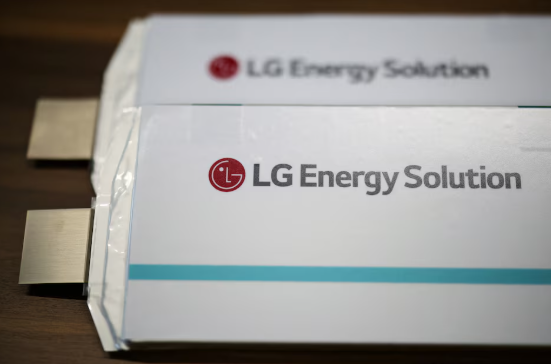
Battery cells with the logo of LG Energy Solution are displayed at the company headquarters in Seoul, South Korea, April 23, 2024.
The company, a key supplier of EV batteries to General Motors and Tesla, estimated an operating profit of 601 billion won ($420 million) for the July–September period, compared with 448 billion won a year earlier. This preliminary figure exceeded market expectations, surpassing the 528 billion won forecast compiled by LSEG SmartEstimate, which reflects inputs from consistently accurate analysts.
Analysts attributed the rise in earnings to the sharp increase in U.S. EV sales ahead of the expiration of a $7,500 federal tax credit. LGES had earlier warned in July of a potential slowdown in global EV demand in early 2026, citing the removal of tax incentives and the effects of import tariffs on certain products. Despite these concerns, the company’s stock rose by 1.5% in a broader market that declined by 1.4%.
In its regulatory filing, LGES stated that it would have recorded an operating profit of 236 billion won if U.S. battery manufacturing incentives provided under the Inflation Reduction Act were excluded. The company plans to release detailed third-quarter earnings on October 30.
To strengthen its performance amid fluctuating EV demand, LGES has been expanding its production of batteries for energy storage systems (ESS). The company recently signed a $4.3 billion agreement to supply Tesla with ESS batteries as the automaker seeks to diversify its supply chain and mitigate the effects of tariff-related constraints.
However, LGES faced operational challenges in the United States during September. Construction of its joint battery plant with Hyundai Motor in Georgia was suspended following an immigration enforcement action at the facility, which resulted in the arrest of several South Korean workers. Hyundai Motor CEO Jose Munoz stated that the incident could delay the factory’s startup by at least two to three months.
To address the issue, LGES announced earlier this month that it would gradually resume U.S. business travel for its employees and subcontractors. This followed an agreement between the U.S. administration and South Korean authorities allowing South Korean personnel to continue working on equipment at U.S. project sites under existing temporary visas.
Industry observers noted that while LGES continues to expand in both EV and ESS markets, its near-term outlook will depend on how quickly EV demand stabilizes after the expiration of U.S. incentives. The company’s strategy to diversify into energy storage and maintain partnerships with major automakers such as Tesla, Hyundai, and General Motors is viewed as a key factor in sustaining growth through changing market conditions.