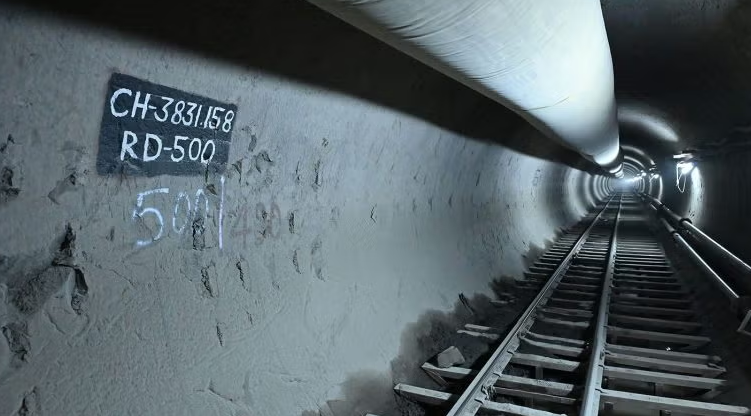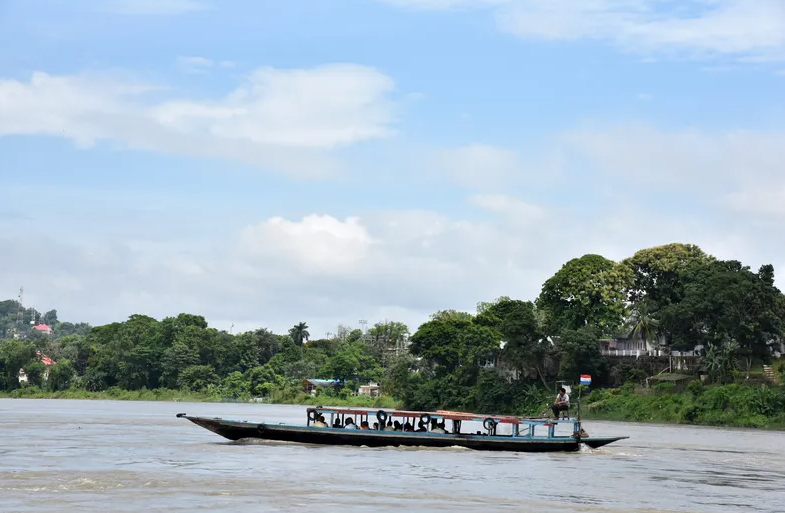
A new tunnel is being proposed to run under the Brahmaputra River in Assam, India
According to the National Highways and Infrastructure Development Corporation Limited (NHIDCL), the total length of the tunnel and its connecting roads would be nearly 34 km. The tunnel is planned to run about 32 meters beneath a stretch of the Brahmaputra River, combining road and rail transport to improve regional connectivity.
Construction is expected to take around five years if approved, and the project is designed to support both civilian transport needs and strategic logistics for India’s defence infrastructure.
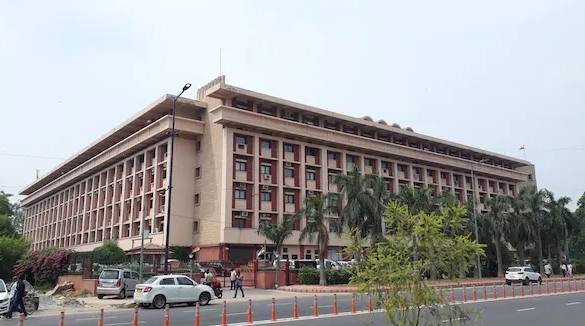
The DPR was prepared for the Ministry of Road Transport and Highways (MoRTH) by a specialized NHIDCL division. The study covers technical, financial, and environmental aspects of the project, ensuring it meets modern engineering and safety standards.
This tunnel is part of a broader expansion of India’s road and transport network, which includes highways, bridges, and conventional tunnel projects across the country. By integrating road and rail transport in a single underground corridor, the project aims to reduce travel time, ease congestion, and enhance freight movement efficiency in Assam and surrounding regions.
Officials note that the tunnel would provide a critical link in the northeastern transport network, connecting remote areas to major trade and industrial hubs. Beyond transport benefits, the project is expected to stimulate regional economic growth through improved logistics, job creation, and infrastructure development.
The Assam tunnel represents a significant technological achievement for India, combining underwater engineering expertise with modern transport planning. If completed on schedule, it would become one of the longest and deepest underwater transport tunnels in the country.
The NHIDCL emphasizes that rigorous planning and adherence to engineering standards will be key to ensuring safety, durability, and environmental sustainability. Advanced construction methods will be required to address riverbed conditions, water pressure, and seismic considerations.
Once operational, the tunnel will facilitate seamless travel for both passengers and goods, strengthen trade links in northeastern India, and contribute to national connectivity goals. The project also reflects India’s commitment to adopting innovative infrastructure solutions to meet growing transport and strategic requirements efficiently.
By linking Numaligarh and Gohpur through this underwater corridor, India aims to create a model for future integrated transport projects that combine technological innovation with strategic and economic benefits.