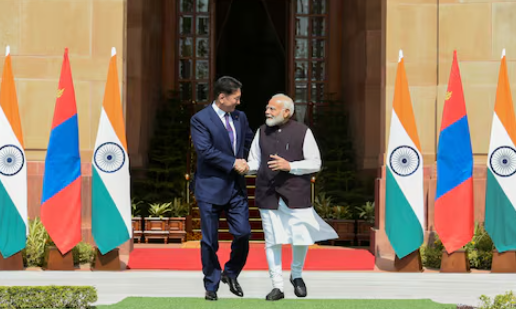
India's Prime Minister Narendra Modi meets with Mongolia's President Khurelsukh Ukhnaa at the Hyderabad House in New Delhi, India, October 14, 2025.
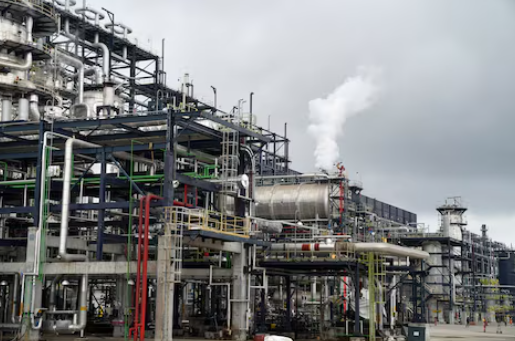
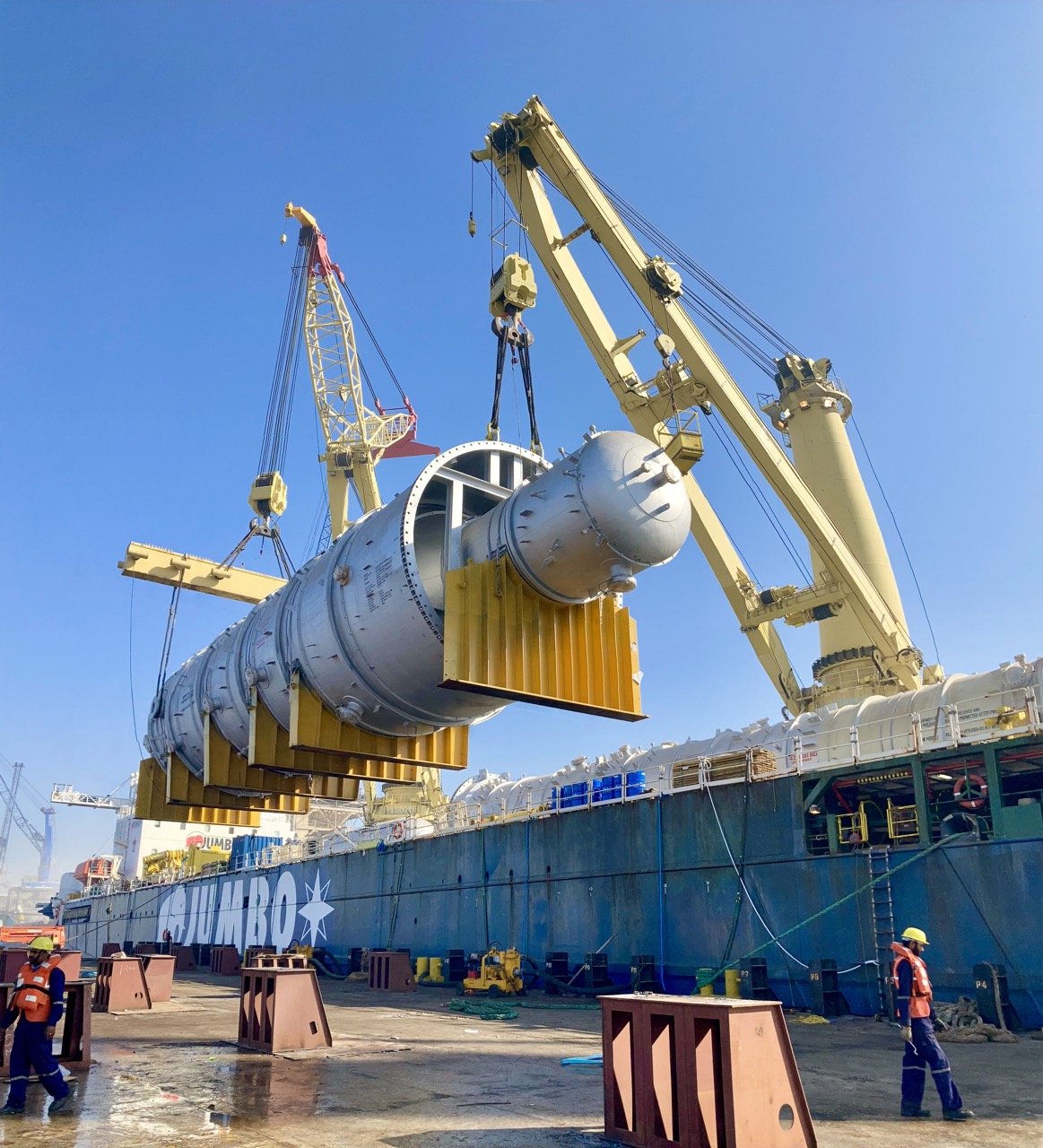
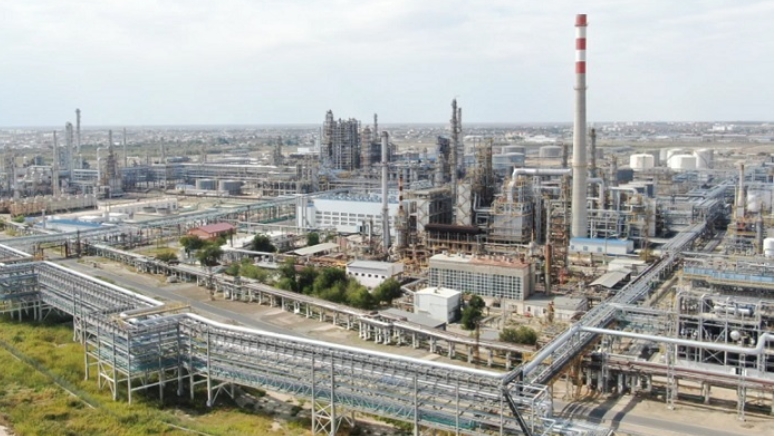
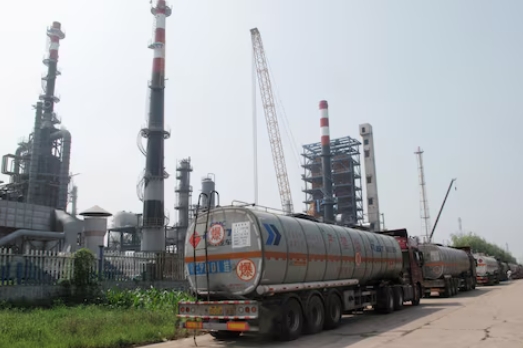
P. Kumaran, an official from India’s foreign ministry, said: “The refinery equipment is being manufactured in India and will be shipped to Mongolia. It seems to be on track. And we expect that by 2028 the refinery should be operational.” The project represents a significant step in Mongolia’s efforts to strengthen its energy independence and reduce reliance on fuel imports.
During President Khurelsukh’s visit, Mongolian authorities also expressed interest in having Indian firms participate in oil and gas exploration within Mongolia. The discussions aimed to expand cooperation in the energy sector beyond the refinery construction, opening opportunities for Indian companies to contribute to upstream development projects.
In addition to energy cooperation, India is considering importing coking coal from Mongolia, a landlocked country situated between Russia and China. Kumaran noted that Russia and Mongolia have an existing discount agreement covering Mongolian goods transported through Russian territory by rail and sea. He stated: “We are also trying to get more details to see if we can take advantage of the discount arrangement that is available between Mongolia and Russia.”
The refinery project is part of a broader strategic partnership between India and Mongolia, emphasizing economic collaboration and resource development. It aims to support Mongolia’s domestic fuel supply while enhancing India’s engagement in Central Asia’s energy sector. The refinery is expected to create local employment opportunities and foster technology transfer through the supply of Indian-made equipment and expertise.
Once operational, the facility will help Mongolia reduce its dependence on imported petroleum products and develop a more stable energy infrastructure. For India, the project offers a pathway to strengthen trade ties and secure diversified sources of energy and raw materials such as coking coal, essential for its steel industry.
Both nations have underlined their commitment to completing the refinery on schedule and to exploring new areas of cooperation that could benefit their respective energy and industrial sectors. The development reflects a continuing effort to expand bilateral relations through mutually beneficial projects in resource development and trade facilitation.