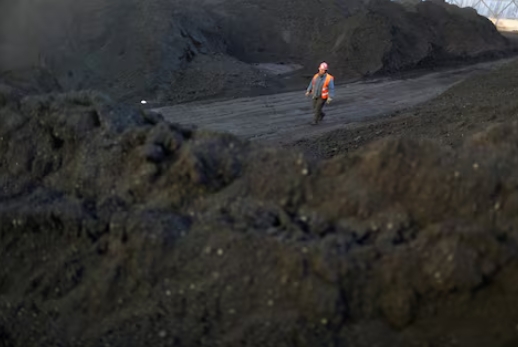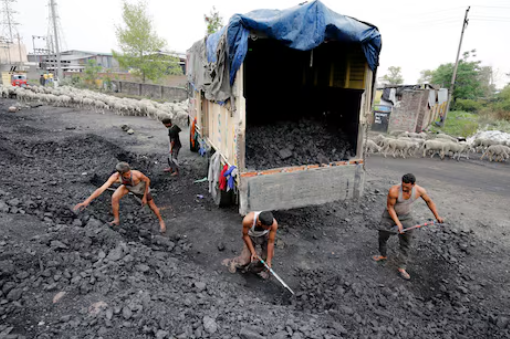
Labourers load coal onto a supply truck on the outskirts of Jammu April 6, 2017.
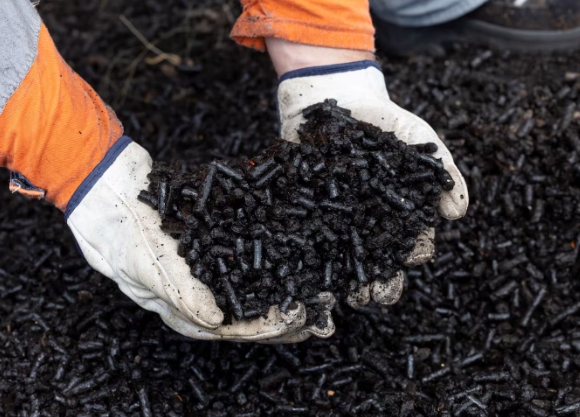
Between January and June, domestic production of metallurgical coke reached 1.5 million metric tons, while total demand stood at approximately 3.09 million tons, according to a source familiar with the situation and internal government data reviewed by Reuters. The shortfall has prompted growing concern among steel producers, who rely on consistent supplies of metallurgical coke for their operations.
India, the world’s second-largest crude steel producer, imposed curbs on metallurgical coke imports in January 2025 in an effort to promote local production. In June, the government extended the restrictions, introducing country-specific quotas and capping total imports at 1.4 million tons for the period from July 1 to December 31. However, with demand continuing to outstrip domestic output, the policy has drawn criticism from steel manufacturers and related industries.
Several steel industry executives, who spoke on condition of anonymity as they were not authorized to discuss the matter publicly, said the recent production figures cast doubt on the government’s decision to maintain the curbs. Steel producers have asked authorities to raise import quotas by nearly seven times, arguing that the current limits are creating a severe supply shortage that could hinder industrial output and investment plans.
The Ministry of Commerce and Industry did not respond to Reuters’ request for comment on the issue. Meanwhile, the Society of Indian Automobile Manufacturers (SIAM), which represents major automakers, had previously warned the government against restricting metallurgical coke imports. In a letter seen by Reuters, the group cautioned that the curbs could disrupt the supply of essential auto components, potentially affecting production in the automobile sector. SIAM has not issued further comment.
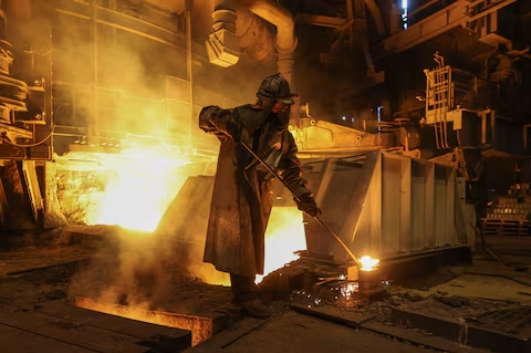
Major steelmakers, including JSW Steel (JSTL.NS) and ArcelorMittal Nippon Steel India, have voiced concerns that the import restrictions are disrupting their expansion plans and making it difficult to obtain specific grades of metallurgical coke required for high-quality steel production. Industry representatives say that while the government’s intention to support domestic producers is clear, the local output capacity remains insufficient to meet growing demand.
Before the curbs were imposed, India’s imports of low-ash metallurgical coke had more than doubled over four years. Key suppliers included China, Japan, Indonesia, Poland, and Switzerland, reflecting the country’s reliance on diversified global sources for specialized grades.
With India’s steel sector playing a central role in the country’s industrial growth, industry participants are urging policymakers to reassess the import restrictions to balance domestic development goals with the operational needs of producers. The situation highlights ongoing challenges in aligning India’s industrial policy with its broader objectives for self-sufficiency and sustainable manufacturing growth.