The project is advancing in two phases, with the first phase comprising approximately 2.5 GW of solar power and 3.3 MWh of BESS. The ERC’s approval, finalized last week, allows TSPI to connect the project to the Luzon grid through its own point-to-point transmission infrastructure. The connection will utilize a bus-in link to the existing 500 kV Nagsaag-San Jose transmission line and another to the planned San Isidro 500 kV substation.
The ERC stated: “The connection will be made through a bus-in connection to the existing 500 kV Nagsaag-San Jose transmission line, as well as through another bus-in connection to the planned San Isidro 500 kV substation.” However, TSPI’s request to operate and maintain these facilities was denied, with the responsibility assigned to the National Grid Corp. of the Philippines (NGCP), subject to applicable fees.
The connection to the San Isidro substation may face delays, as NGCP has not yet secured approval for its capital expenditure plan. According to the Philippines’ Transmission Development Plan, the substation’s completion is projected between 2031 and 2040.
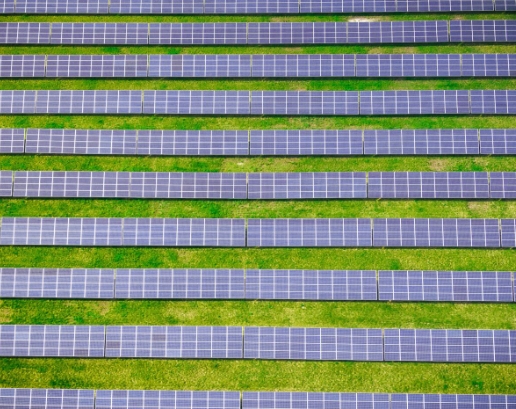
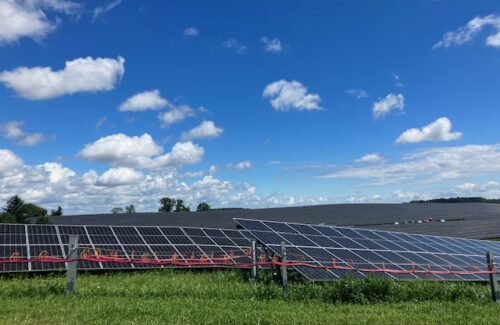
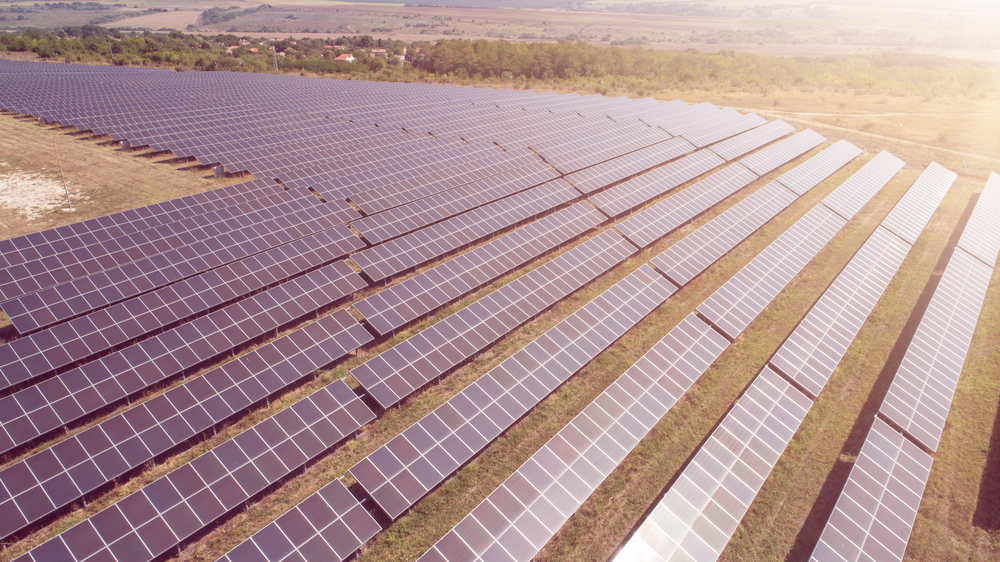
A September inspection by the ERC found that TSPI’s transmission facilities are 90% complete, with total costs estimated at PHP 14.2 billion ($244.4 million). A July update noted that 54% of the first phase was completed within eight months, including 778 MW of installed solar capacity, making it the largest solar installation in the Philippines.
The first phase, which includes a 500 kV transmission line to the Nagsaag-San Jose connection, is on track for completion in 2026. This project strengthens the Philippines’ energy infrastructure, supporting reliable and sustainable power delivery across Luzon.