From the start of 2025 through September, the total volume imported stood at 86.18 million tons, marking a 5.3% year-on-year growth. In value terms, these imports amounted to $38.32 billion, representing a 7.9% decline from the corresponding period last year.
The reduction in overall import costs can be attributed to adjustments in sourcing from primary suppliers, leading to more favorable pricing. The average cost per ton was $444.65, a decrease of 12.5% compared to the previous year.
Recent market updates indicate that prices for soybean meal, a primary derivative, have continued to ease in the domestic market. In the last week, these prices dropped by over 2%, while national soybean stockpiles hit a peak of 6.8 million tons.
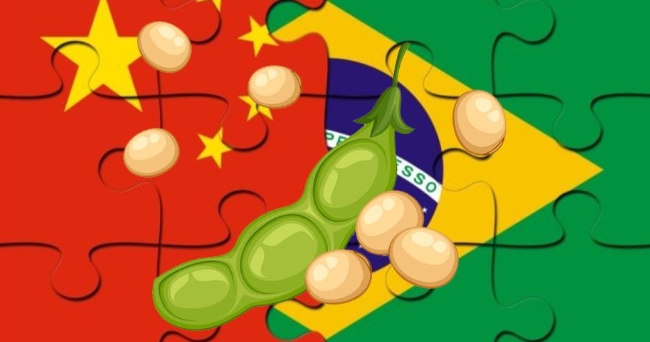
These trends highlight the robust supply chain supporting China's agricultural sector. The increased volumes from South American origins, including Brazil and Argentina, have ensured steady availability amid global fluctuations. For instance, elevated shipments from Brazil have played a key role in maintaining the elevated import levels seen throughout the year.
The year-to-date surge in tonnage underscores the country's focus on securing essential commodities for feed and processing industries. Despite the dip in monetary value, the lower average prices have helped stabilize costs for processors and end-users, contributing to efficient resource allocation.
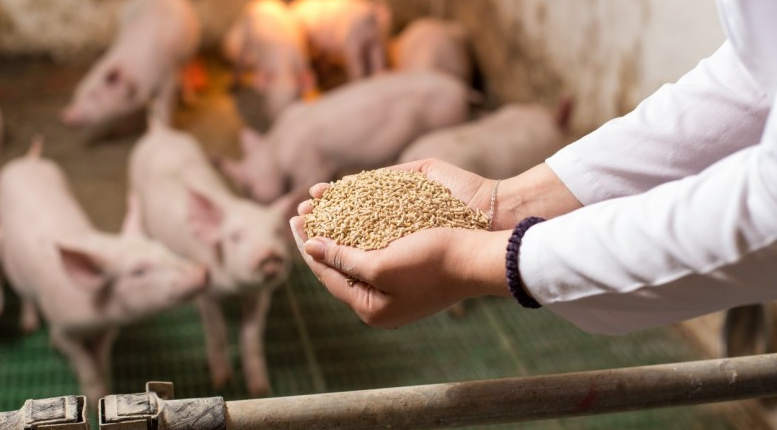
Soybean meal, widely utilized in animal feed, remains integral to the livestock sector. The recent price softening may encourage higher consumption in protein-based formulations, potentially aiding recovery in related markets. Meanwhile, the record-high reserves provide a buffer against potential disruptions, enhancing supply security.
SunSirs data points to a resilient import strategy, with September's performance aligning with broader patterns of diversification in procurement sources. The 13.2% annual growth in the monthly figure demonstrates sustained demand, driven by domestic needs in food production and industrial applications.
Looking ahead, the accumulated imports position China well for the remainder of 2025, supporting goals for food security and economic stability. The interplay between volume expansion and cost management reflects adaptive measures in global trade dynamics.
Overall, these figures illustrate a balanced approach to commodity inflows, fostering continuity in supply chains. The elevated stockpiles and moderated prices set a foundation for steady operations in processing facilities, benefiting downstream sectors like agriculture and manufacturing.