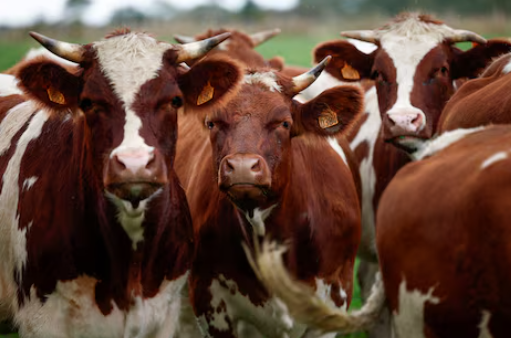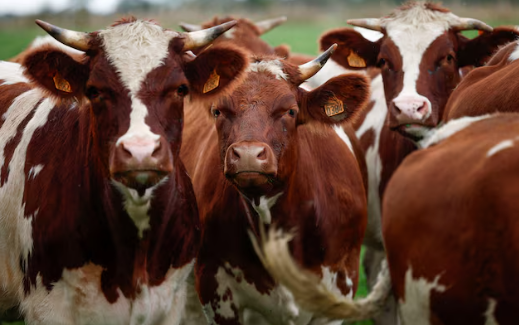
Cows graze in a field in Mouzeuil near Nantes, September 23, 2024.
Lumpy skin disease causes blisters on the animals’ skin and leads to a decline in milk production, resulting in significant economic losses and trade restrictions. Although the virus does not affect humans, its impact on livestock health and agricultural trade has raised concerns among farmers and authorities.
The disease was historically confined to Africa and the Middle East but expanded into Southeastern Europe in 2015 and further into Asia in 2019. Western Europe recorded its first outbreak in late June on Italy’s Sardinia island, followed by France, while Spain confirmed its first case last week.
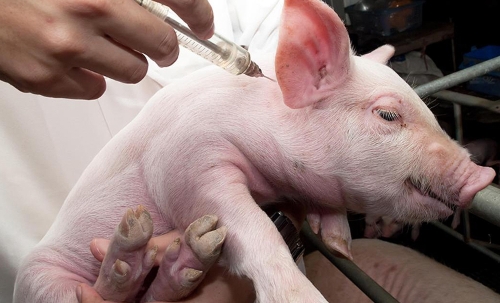
After a large-scale vaccination campaign, France had initially seen a decline in cases by late August. However, infections have risen again in October, spreading from the Alpine regions to Jura and Ain in eastern France. Local authorities confirmed a new outbreak on Wednesday in a herd located in the Pyrenees-Orientales region, near the Spanish border.
According to data from the World Organisation for Animal Health, as of Tuesday, France had reported 83 outbreaks, Italy 72, and Spain nine. The three countries are also managing the spread of another livestock disease, the bluetongue virus, which affects sheep and cattle and has circulated widely across Europe this year.
Governments in France, Italy, and Spain have implemented containment measures consistent with international animal health standards. These include movement restrictions, targeted culling, and enhanced monitoring in affected regions. Officials aim to prevent further cross-border spread through coordinated regional responses.
French agricultural groups have expressed differing views on the government’s containment approach. The farm union Confederation Paysanne stated: “By basing disease management on unsustainable measures, the ministry has caused panic and animal movements that are conducive to the spread of the disease.” The group called for revised strategies that balance disease control with the economic sustainability of livestock farming.
The French Minister of Agriculture is scheduled to visit the Jura region on Friday to hold a crisis meeting with local farmers and veterinary authorities. The meeting will focus on evaluating containment efforts, reinforcing vaccination coverage, and addressing the concerns of producers facing economic strain due to the restrictions.
The resurgence of lumpy skin disease underscores the growing threat of animal epidemics driven by environmental and climatic factors that favor insect transmission. As Western European countries work to control the outbreak, authorities emphasize vigilance, cross-border coordination, and rapid response to prevent the virus from establishing a permanent presence in the region.