A third unit, projected at 60 MW, is included in state utility PT Perusahaan Listrik Negara (Persero) Tbk’s (PLN) long-term power plan. Supreme Energy is exploring ways to bring its construction forward from the current 2033 schedule.
“It took almost five years to secure an economic tariff and obtain the necessary approvals,” said Supramu Santosa, founder and chairman of Supreme Energy. “That was the long part. After that, things moved more smoothly.”
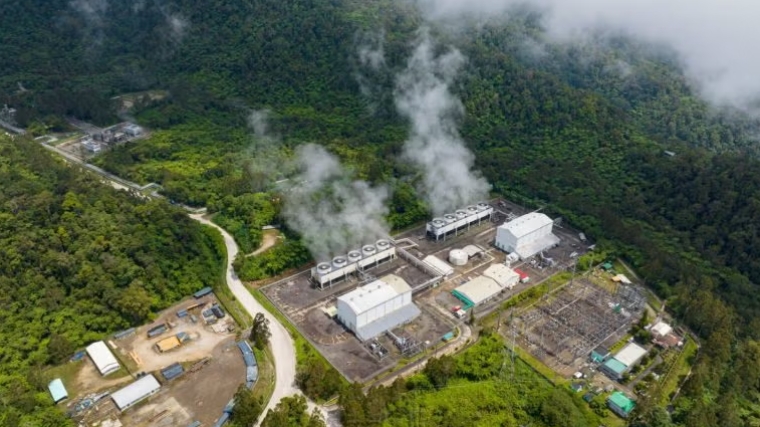
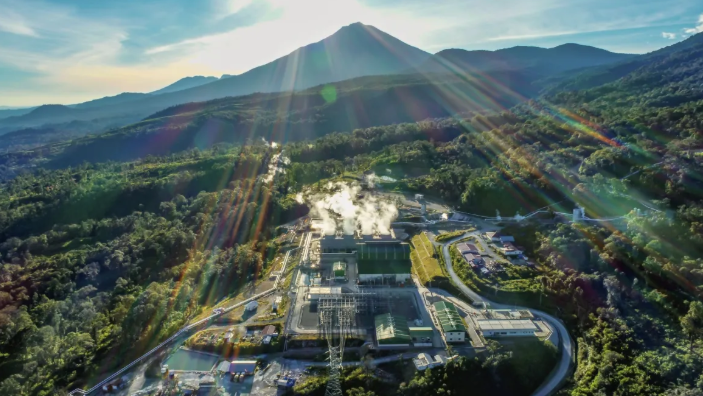
Unit 2 will use the same double-flash technology as the first to optimise previously untapped reserves. “The higher pressure allows us to generate more energy within the same complex,” Nisriyanto explained. Construction is expected to be simpler than the first phase since most infrastructure is already in place, with the main focus on drilling and the new power plant. “Because this is an incremental construction, the total investment cost is less than Unit 1,” Supramu added.
Muara Laboh plays a strategic role in Sumatra’s grid, connecting to a transmission corridor running from Lampung to Aceh. This supports electricity supply to other regions, particularly Riau and parts of North Sumatra. Unit 1 alone currently serves about 440,000 households.
Beyond energy, the project contributes to regional development, generating approximately $4.2 million (IDR 70 billion) in annual nontax state revenue, half of which goes to Solok Selatan Regency. Supreme Energy previously ranked as the second-largest private investment in West Sumatra after Semen Padang, and invested in local infrastructure, including access roads, as well as training and hiring local engineers. “The multiplier effect must be considered when evaluating the cost and benefit of geothermal,” Supramu said.
Economics remain a challenge. “Financing is not the issue,” Supramu said. “Once reserves are certified and the purchase agreement is signed, banks are ready. The challenge is pricing. Geothermal is very sensitive to volume, and the current tariff under Perpres 112/2022 is not economic.” High upfront infrastructure costs make scale essential, with projects under 100 MW struggling to be viable. Subsidies continue to favour fossil fuels, Nisriyanto added: “If subsidies were redirected to renewables, the impact would be much larger.”
The Indonesian Geothermal Association is in discussions with the government on reforms to improve geothermal competitiveness. Looking ahead, Supreme Energy aims to complete Unit 2 before advancing Unit 3 and reviving the long-delayed Rajabasa project in Lampung. “Geothermal has to be made economically viable,” Supramu said. “Once the economics are in place, we can deliver more projects.”