A flag with the logo of the oil company Russneft is pictured next to flag of Russia on the facade of the company's headquarters in central Moscow, Russia April 4, 2018.
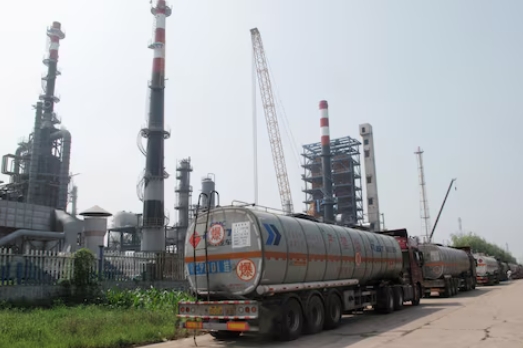
Data from LSEG and a trader showed that the tanker Kayseri transported 105,340 metric tons of Siberian Light crude from the Russian Black Sea port of Novorossiisk to the Kulevi Oil Terminal on October 6. Russneft did not respond to requests for comment regarding the shipment.
Russia and Georgia have had no formal diplomatic relations since 2008, following a brief conflict over the regions of South Ossetia and Abkhazia. Despite the absence of diplomatic ties, economic cooperation between the two countries has expanded in recent years. Under the current Georgian Dream government, Tbilisi has maintained growing trade relations with Russia while its interactions with some Western partners have become more limited.
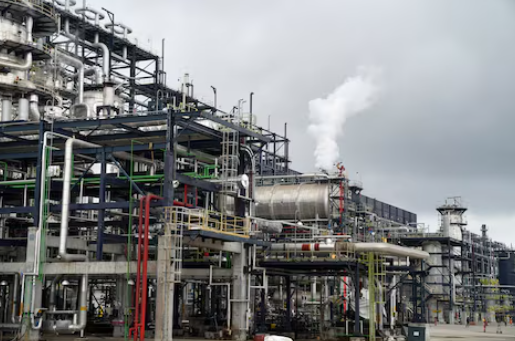
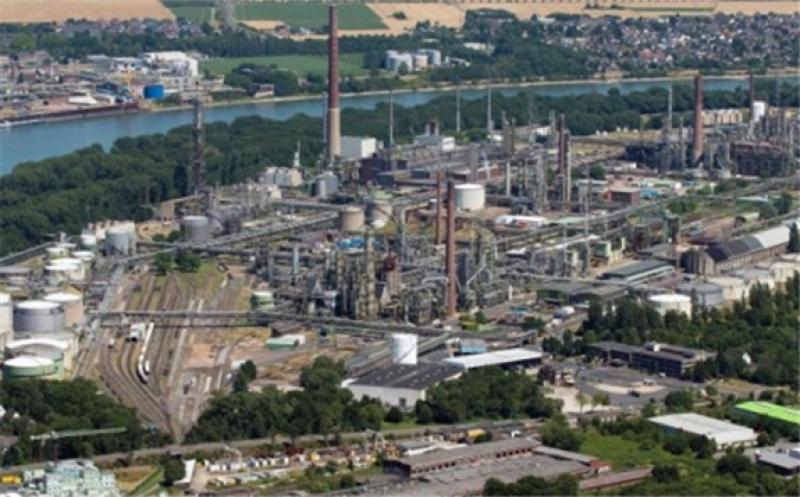
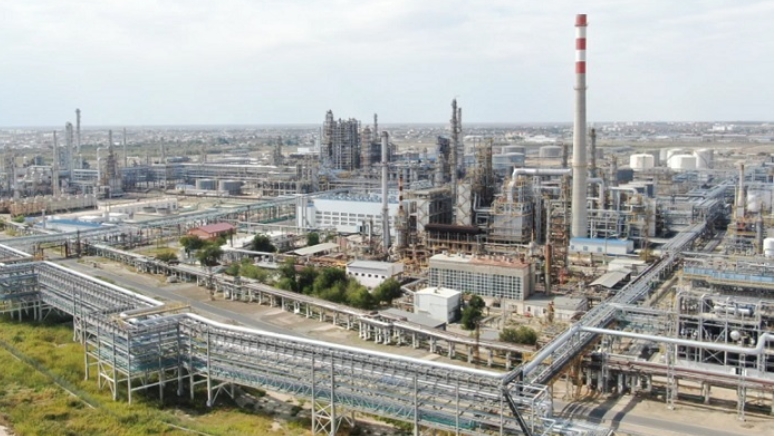
The Kulevi refinery, Georgia’s first domestic oil processing facility, began operating this month with an initial capacity of about 1.2 million tons of crude oil per year, equivalent to roughly 24,000 barrels per day. The plant is expected to gradually increase its capacity to 4 million tons annually by 2028. Its operations are designed to help Georgia reduce dependence on imported fuels from Russia, Turkey, Azerbaijan, Romania, and Kazakhstan, and to eventually supply fuel for both domestic use and export markets.
For Russia, the shipment represents another step in its effort to diversify export destinations and stabilize trade under ongoing Western sanctions. The move also highlights the evolving regional energy relationships in the Black Sea area, as new refining capacity and trade routes reshape supply patterns.
Meanwhile, global oil prices continued to decline for a second consecutive day on Tuesday. The drop reflected market concerns over potential oversupply and uncertainty about demand, which investors linked to current economic tensions between the United States and China.
The delivery to Kulevi marks a significant development in Georgia’s energy sector and signals a deepening of regional trade ties centered on oil supply and refining capacity.