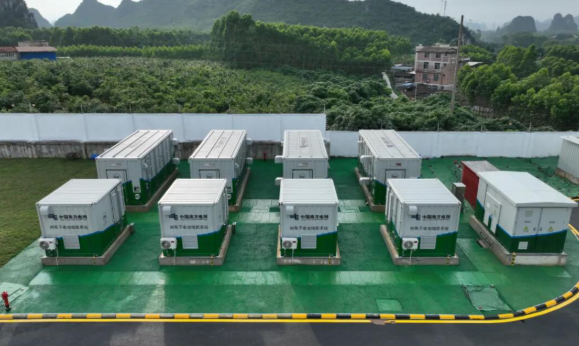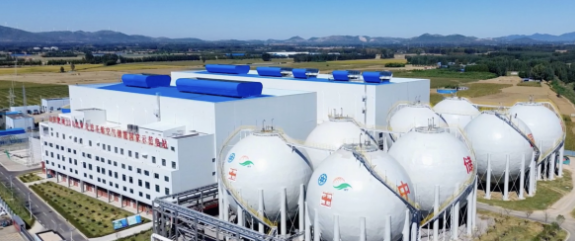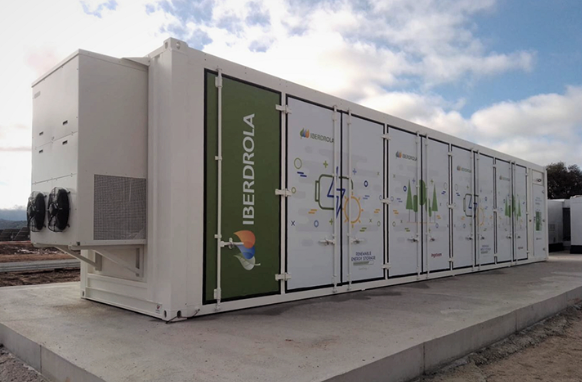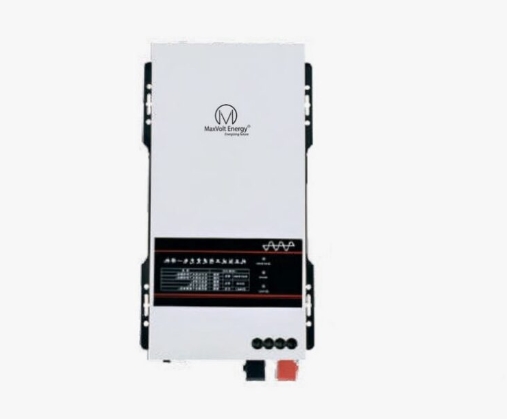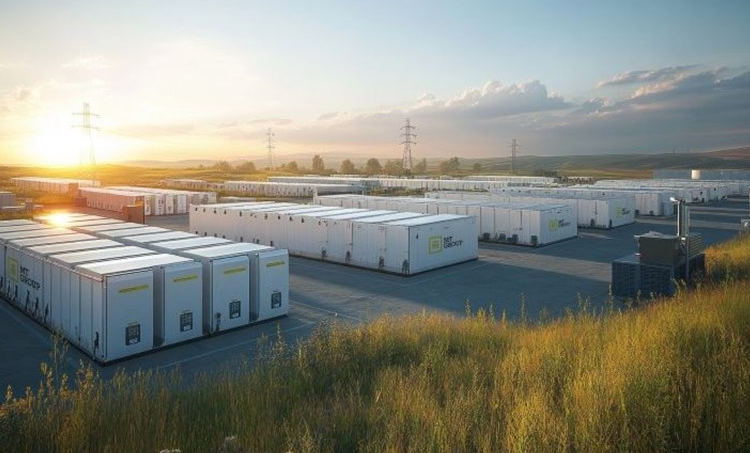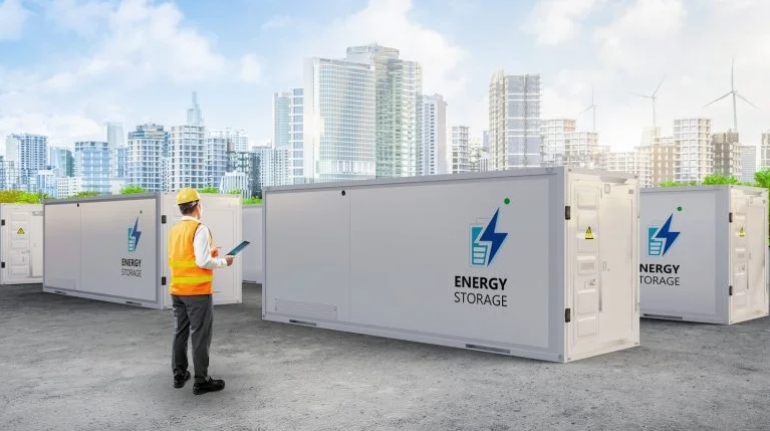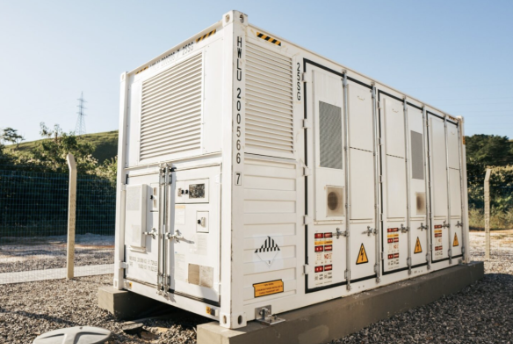
The findings come from the report “Accelerating the Brazilian Energy Transition: Comprehensive Energy Storage Meta-Analysis for Brazil,” which evaluates the role of energy storage systems (ESS) in supporting the country’s shift toward sustainable energy. Conducted in Brazil, the study explores technical, economic, and regulatory strategies to promote energy storage adoption as solar and wind power generation continue to grow.
“Lithium-ion batteries and pumped hydro sites can solve operational problems in the Brazilian electricity system, especially loading ramps and the curtailment of renewable energy sources such as solar and wind, in addition to providing ancillary services,” the report states. These technologies address challenges like managing sudden increases in electricity demand and preventing the waste of excess renewable energy.
By optimizing grid operations, energy storage systems enable Brazil to maximize the use of its abundant solar and wind resources. This reduces the need for backup from conventional power plants, supporting a cleaner and more efficient energy framework. The study emphasizes that storage solutions can stabilize the grid, ensuring consistent power supply even during periods of variable renewable generation.
The adoption of these technologies aligns with Brazil’s broader goals to enhance energy sustainability. By integrating storage systems, the country can better manage its renewable energy output, reducing inefficiencies and lowering overall costs for consumers. This approach also strengthens energy security by diversifying the mechanisms used to balance supply and demand.
The report underscores the importance of regulatory support to facilitate the deployment of energy storage systems. By establishing clear policies and incentives, Brazil can accelerate the integration of these technologies into its national grid. This is particularly crucial as the country expands its renewable energy capacity, with solar and wind projects gaining momentum across various regions.
The study’s findings position Brazil as a potential leader in energy transition within Latin America. By leveraging lithium-ion batteries and pumped hydro, the country can address operational challenges while advancing its commitment to a low-carbon future. These efforts are expected to create economic benefits, including cost savings and job opportunities in the energy sector.
As Brazil continues to develop its renewable infrastructure, energy storage will play a pivotal role in ensuring a reliable and sustainable power system. The anticipated cost reductions by 2029 highlight the transformative potential of these technologies, fostering a more resilient and environmentally friendly energy landscape.