The Google logo is seen in this illustration taken May 13, 2025.
As technology companies expand operations in artificial intelligence and data processing, electricity demand has risen sharply, straining the existing U.S. power grid. In response, companies such as Google have been investing in the development of new and diversified energy sources, including nuclear, geothermal, and hydropower, to support sustainable growth and ensure long-term power reliability.
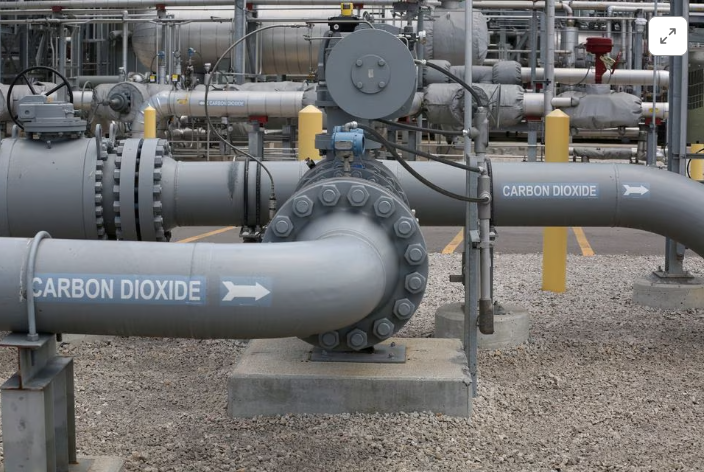
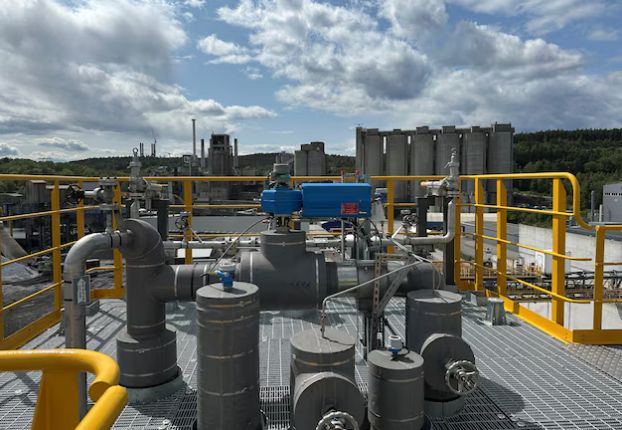
The new agreement involves a 400-megawatt natural gas-fired power plant to be developed by Low Carbon Infrastructure in Decatur, Illinois. The facility, known as the Broadwing project, will use CCS technology designed to capture approximately 90% of carbon dioxide emissions and store them underground. The project is expected to begin operations in the early 2030s, following a final investment decision anticipated in the first half of 2026. Financial terms of the agreement were not disclosed.
Michael Terrell, Head of Advanced Energy at Google, said: “We’ve been really focused on advancing all these new technologies for around-the-clock clean technologies and this is an important piece of the puzzle. It’s a very important technology that the world needs.” He emphasized that the initiative complements Google’s broader strategy to secure carbon-free energy for its global operations.
The Broadwing project will be built at an existing industrial site owned by agribusiness company Archer Daniels Midland (ADM.N), which already operates carbon storage wells in Decatur. ADM has experience with carbon injection technology, having previously stored emissions from its ethanol production processes. The captured carbon from Broadwing will be stored permanently in wells located between 5,000 and 7,000 feet (1,524–2,133 meters) underground.
According to Low Carbon Infrastructure CEO Jonathan Wiens: “Broadwing demonstrates that carbon capture can be commercially viable today.” The construction phase is projected to last about four years and create approximately 650 union labor jobs and 100 management and support positions.
Electricity generated from the Broadwing plant will initially supply the Midcontinent Independent System Operator (MISO), which manages power distribution across 15 Midwestern states and includes several Google data centers within its network. ADM will also have the option to purchase power from the new facility once it becomes operational.
Google and Low Carbon Infrastructure stated that they plan to collaborate on additional CCS-based energy projects across the United States, though they have not yet specified future sites or timelines.
The company’s growing portfolio of energy initiatives reflects a broader trend among major U.S. technology firms seeking to align power supply with sustainability goals while supporting the rising energy needs of expanding artificial intelligence and cloud computing operations.