A standout accomplishment is the record harvest of pulses, surpassing 1 million tons for the first time. This exceeds early October projections from the Grain Union of Kazakhstan, which estimated 0.97 million tons, including 800,000 tons of lentils, 155,000 tons of peas, and 15,000 tons of other varieties. The increase stems from beneficial weather patterns and a 2.1-fold growth in sown area over the past three years, enhancing overall productivity in legume cultivation.
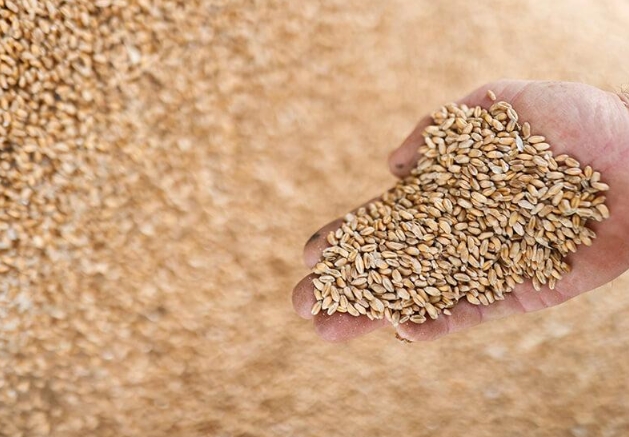
Storage facilities for licensed grain operations maintain a balanced occupancy, with 5.4 million tons stored—equivalent to 40% of total capacity—leaving 7.8 million tons available. This setup facilitates smooth intake without straining resources. Challenges have arisen in certain areas, including limited gas supplies for grain drying. In response, Vice Prime Minister Seryk Zhumangaryn has directed the Ministry of Energy to supply extra volumes promptly, preventing any slowdowns in receiving operations.
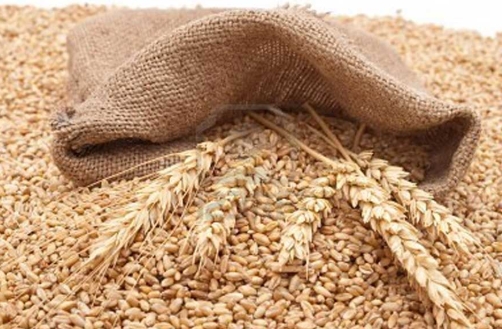
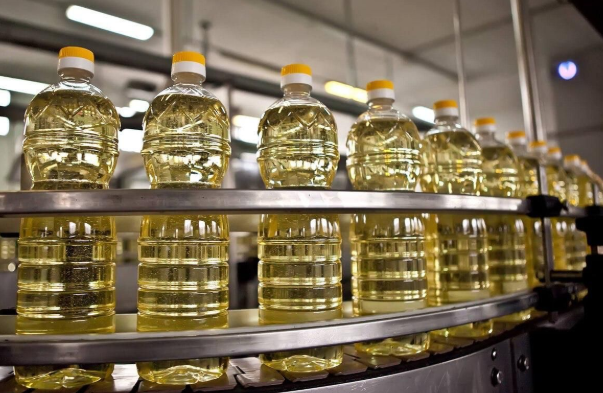
Harvesting extends to additional commodities, with corn gathered from 134,000 hectares, or 77% of the targeted area. Oilseed crops have reached 74% completion, yielding 3.5 million tons. Full collections are in for potatoes at 3 million tons, vegetables at 3.9 million tons, and melons at 2.6 million tons. In the Zhetysu region, sugar processing plants are accepting beets, with 154,000 tons already delivered. The Aksu Kant facility has implemented an electronic queuing system, which has streamlined operations and reduced wait times significantly.
These outcomes owe much to proactive measures, such as the application of fertilizers at optimal times and prompt funding for spring preparations. From the 700 billion tenge budgeted for sowing, 502 billion tenge has been deployed effectively. The Agrarian Credit Corporation is now processing applications for subsidized loans ahead of the 2026 planting cycle. Furthermore, 250 billion tenge has been earmarked for leasing farm equipment, with farmer interest surpassing allocations, enabling the renewal of about 8,000 machinery units.
Kazakhstan's agricultural sector continues to demonstrate resilience and strategic planning. The expanded pulse production not only bolsters food security but also opens avenues for diversified markets. Stable storage and energy solutions ensure that gains translate into reliable supply chains. As the season wraps up, focus shifts to post-harvest management and preparations for the next cycle, underscoring a commitment to sustainable farming practices that benefit rural economies and national output.