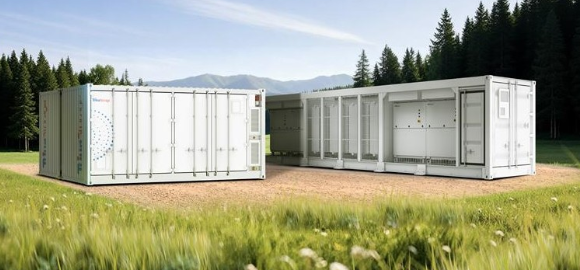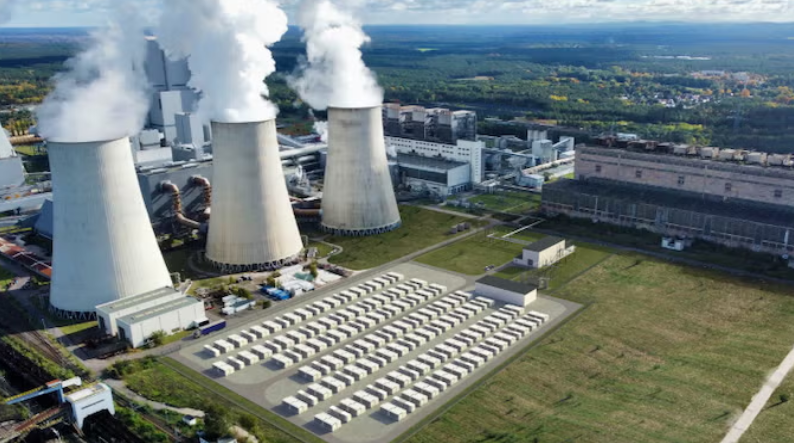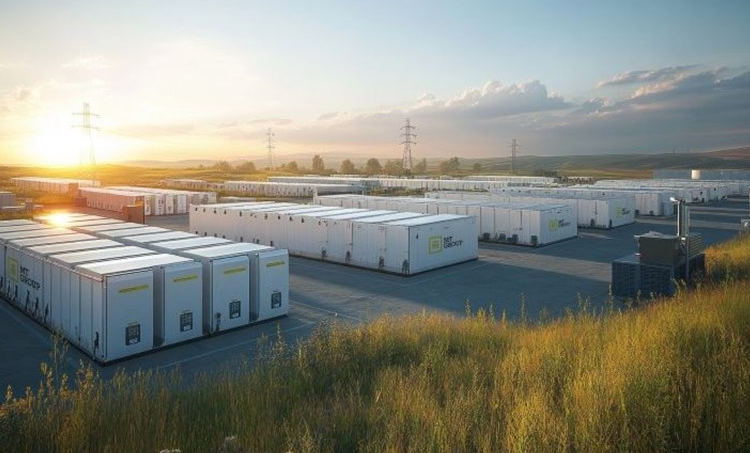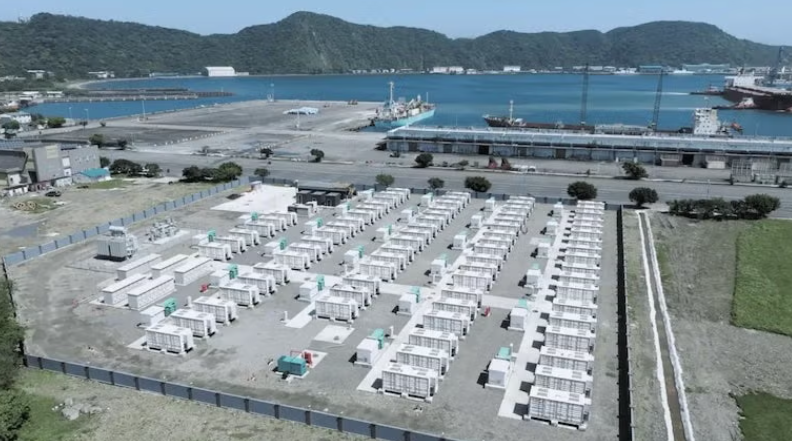
The Taichung BESS project is scheduled to begin construction at the end of 2025 and continue through 2026. It will include 108 I-Shift lithium-ion battery containers designed for high energy density and efficient use of space. The system will support Taiwan’s 2050 net-zero emissions goal by addressing the challenges of renewable energy intermittency, grid instability, and network congestion. Once operational, the facility will perform key functions such as frequency regulation and peak-shifting of renewable power generation to stabilize electricity supply.
Foxwell Power emphasized that cybersecurity was a decisive factor during the project selection process. Saft’s proposal met this requirement through an integrated control solution that combines hardware and software from the module to the full system level. Developed by Saft and manufactured in Europe, the control platform incorporates artificial intelligence capabilities and meets top-tier cybersecurity certifications. This approach aims to enhance both operational efficiency and system security for long-term reliability.
Vincent Le Quintrec, energy storage systems sales director at Saft, said: “This fifth consecutive contract with Foxwell is the largest to date and will bring our installed base in Taiwan to 630MWh.” He added that Saft’s continued partnership with Foxwell reflects a shared commitment to supporting Taiwan’s transition to cleaner and more resilient energy systems.
The new BESS project in Taichung will further strengthen Saft’s position as a leading energy storage provider in Taiwan’s growing renewable power sector. By integrating advanced digital monitoring, smart controls, and high-capacity lithium-ion batteries, the project is expected to enhance grid flexibility and reduce power fluctuations linked to variable renewable generation sources.
Saft’s ongoing collaboration with Foxwell aligns with Taiwan’s broader strategy to expand its renewable energy capacity while maintaining grid stability. The company’s latest contract also demonstrates its ability to deliver large-scale, technically advanced storage systems capable of meeting the complex demands of modern energy infrastructure.
Through the deployment of this 356MWh system, Saft continues to play a key role in supporting sustainable energy transformation across the Asia-Pacific region. The project underscores the growing importance of reliable energy storage solutions as countries accelerate efforts to balance renewable energy integration with grid performance and long-term carbon reduction goals.