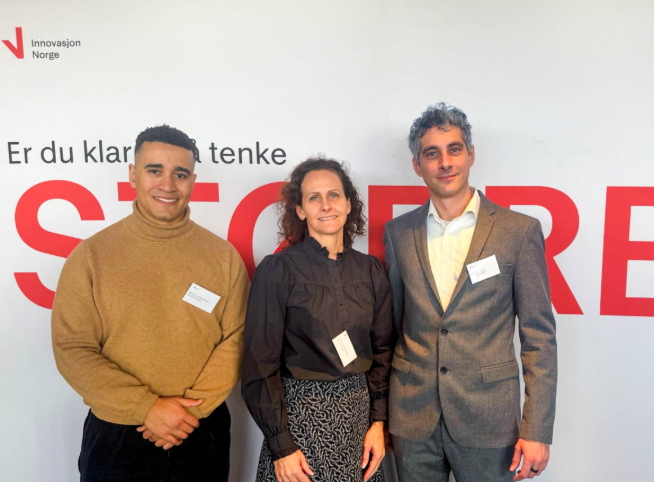
CCUS Innovation brings together CCUS Norway, managed by climate consultancy Carbon Limits, and CCS Innovation, run by SINTEF, one of Europe’s largest independent research organizations focused on carbon capture, utilization, and storage (CCUS). The cluster unites 69 members across research institutes, finance, industry, technology suppliers, legal and advisory services, and test sites, creating a broad ecosystem for knowledge sharing and collaboration.
Hafslund Celsio, Norway’s largest district heating provider and an early adopter of industrial CO? capture, participates in the cluster, contributing to projects connected with the Northern Lights storage network. Through joint projects, technology matchmaking, and industrial cooperation, CCUS Innovation is positioned as a gateway for international engagement with Norway’s CCUS ecosystem. The two previously separate clusters will now operate together under this initiative, offering a one-stop contact point for Norwegian actors, covering both early-stage technology development and large-scale deployment.
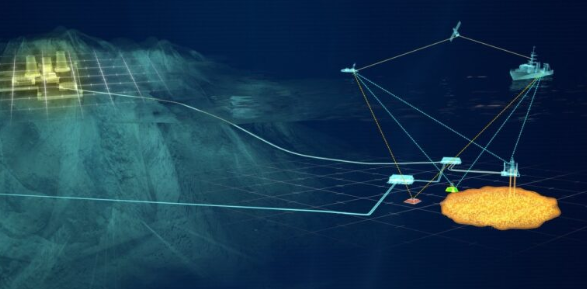
CCUS has been a key element of Norway’s sustainability strategy. Notably, the Northern Lights project, recognized as the world’s first commercial CO? transport and storage facility, officially launched this year, with its first injection in August 2025. This milestone highlights Norway’s commitment to advancing carbon capture, utilization, and storage solutions as part of its broader climate agenda.
In the maritime sector, Oslo-based classification society DNV has emphasized the need for standardized verification processes to support regulatory compliance and boost investor confidence, both crucial for the wider adoption of CCUS technologies. In a June 2025 report, DNV projected that carbon capture and storage could expand fourfold by 2030, with cumulative investments potentially reaching $80 billion by the end of the decade.
To support this growth, DNV released a new service specification in June aimed at verifying and certifying CCUS sites. The specification covers CO? capture and dehydration systems, compression and liquefaction units, emergency shutdown procedures, safety assessments, material selection, and injection site operations, among other subsystems. The initiative is designed to “de-risk” projects and promote reliable, safe, and efficient deployment of CCUS technologies across industrial and maritime sectors.
Overall, CCUS Innovation provides a platform for Norwegian companies and research organizations to collaborate on cutting-edge carbon management solutions, accelerating the deployment of technologies that support sustainability goals and international engagement in carbon capture, utilization, and storage.