On October 13, the European Council stated that “market access for the most sensitive products, such as sugar, poultry, eggs, wheat, maize and honey, remains more limited and gradual,” reflecting a cautious approach to liberalising trade in these key sectors.
Lars Løkke Rasmussen, Denmark’s foreign affairs minister, commented: “Both the EU and Ukraine will benefit from the elimination of customs duties, leading to sustained economic stability, enduring trade relations, and further Ukrainian integration with the Union.”
However, several EU countries raised concerns about the new terms. Poland, Slovakia, Hungary, Bulgaria, and Romania warned that the liberalisation could destabilise European agricultural markets, according to Ukrainian business publication European Pravda, citing anonymous sources. József Viszki, state secretary of Hungary’s Ministry of Agriculture, said: “We are convinced that the proposal does not provide any guarantees that could protect the interests of Hungarian farmers from the influx of Ukrainian imports.”
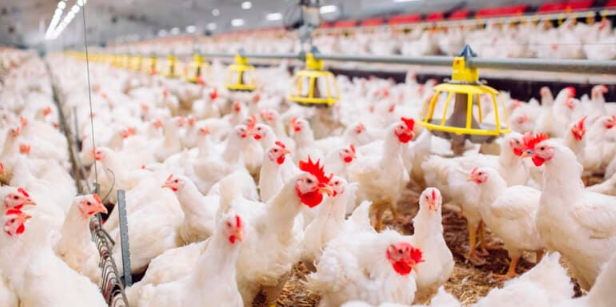
Ukrainian poultry and egg exports to the EU remain significant. In the first eight months of 2025, Ukraine exported poultry worth US$716 million, a 13% increase from the previous year, the Ukrainian Union of Poultry Farmers reported. The Netherlands, receiving 15.9% of deliveries, was the top importer of Ukrainian poultry, followed by Saudi Arabia (14.8%), the UK (10.6%), and Slovakia (6.8%). Overall, the EU accounted for 83,100 tonnes, or 28.2% of total Ukrainian poultry exports during this period.
In support of domestic poultry production, the European Bank for Reconstruction and Development (EBRD) has guaranteed US$5 million of risk for a US$12.256 million loan by its partner bank, Credit Agricole Ukraine (CAU), to Dniprovska Group, Ukraine’s second-largest poultry producer. The financing aims to help the company stabilise operations and recover from losses caused by the war, including damaged production facilities and farmland.
The revised DCFTA terms, alongside targeted financing, are expected to expand Ukraine’s poultry and egg exports while allowing reciprocal EU imports, supporting trade growth and market stability for both parties. These measures also underscore ongoing efforts to modernise and strengthen Ukraine’s poultry sector, even as EU farmers continue to monitor the impact on local markets.