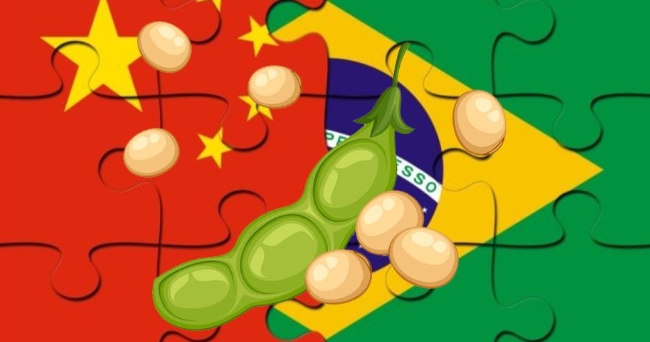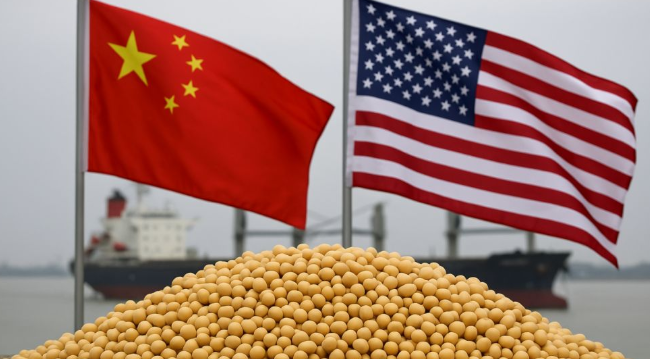
Following the announcement, soybean futures in Chicago rose 0.2% to $10.96 per bushel, reversing earlier losses. President Donald Trump, who recently met Chinese President Xi Jinping to finalize a broad trade agreement, said that China would begin purchases “immediately.”
Farmers in the Midwest reacted with cautious optimism. “It’s not a huge number, but at least it’s something,” said Marty Richardson, a Missouri farmer. Andrew Philips from Nebraska noted that while profitability remains a challenge, the price rally brings “much better prospects than before.”
Analysts highlight that the commitment is still below historical levels. The U.S. exported about 27 million tons of soybeans to China last year, and over 34 million tons following the Phase One agreement in 2020. Nonetheless, an annual target of 25 million tons would represent a return to more normal trade volumes between the two countries.
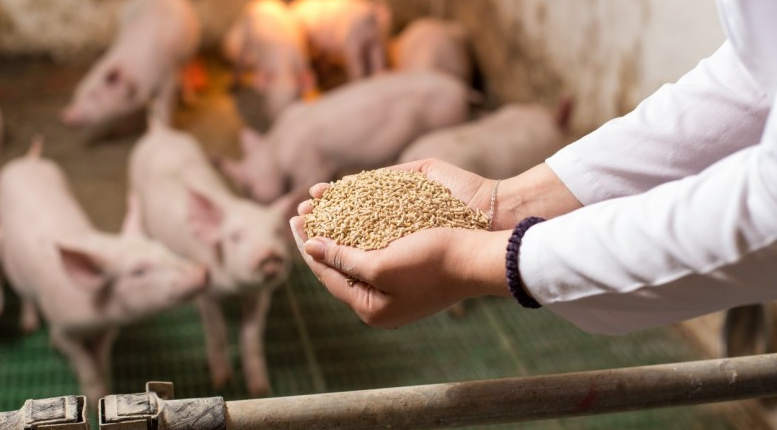
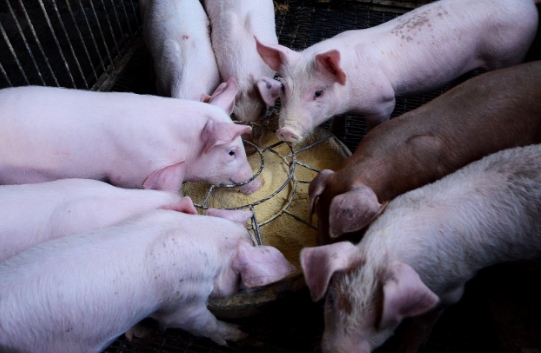
Market experts caution that China’s soybean demand may remain constrained due to large stockpiles from record imports from South America and slower economic growth, which reduces feed consumption. Beijing is also expected to continue diversifying suppliers to avoid over-reliance on the U.S.
Tariffs on U.S. agricultural goods, including soybeans, remain a potential concern. Analysts note that tariffs would need to be “close to zero” for Chinese crushers to process American soybeans profitably without government subsidies.
For U.S. farmers, a significant voting group for Trump, the agreement represents a potential turning point after years of low prices, rising costs, and oversupplied grain bins. The resumption of Chinese purchases could help stabilize farm incomes and strengthen the soybean sector in the coming seasons.
The deal also signals a broader commitment to U.S.-China agricultural trade. By securing multi-year purchase targets, the two sides aim to provide predictability for the market and support long-term planning for American soybean producers. While challenges remain, including storage management and potential policy adjustments, the agreement is a notable step toward restoring a key export market.
Overall, the announcement brings cautious optimism to the U.S. agricultural community, offering a pathway for improved market conditions, more stable pricing, and renewed confidence in the soybean sector.