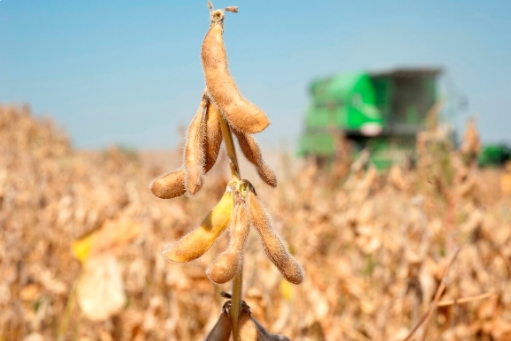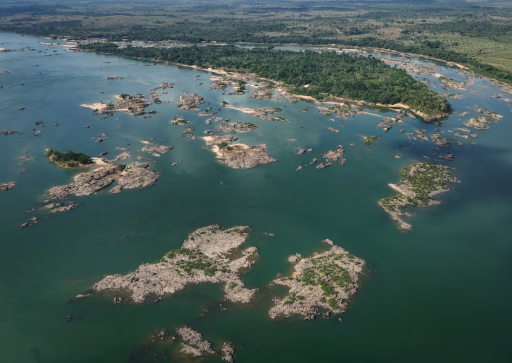
Regulators have approved a project to blast a 22-mile (35 km) channel through the Tocantins River’s rapids, part of a $7.3 billion plan to create the Araguaia-Tocantins waterway. The project aims to make the river navigable year-round, allowing barges to transport large volumes of soybeans and corn from Brazil’s interior to northern ports. Officials say the new route could rival the Mississippi River as a major agricultural export corridor, lowering freight costs and expanding Brazil’s grain export capacity.
Federal prosecutors, however, have filed legal actions to suspend the project, arguing that it could harm riverside communities and the environment. During a September hearing held near the river, local residents voiced concerns about the loss of fishing grounds and increased river traffic. “We can’t go anywhere without our boats. We live from the fish,” said Franca, whose family lives on an island overlooking the rapids. His father, who ferries grandchildren across the river daily, and other villagers in Tauiry also depend on the river to reach coconut groves and other resources.
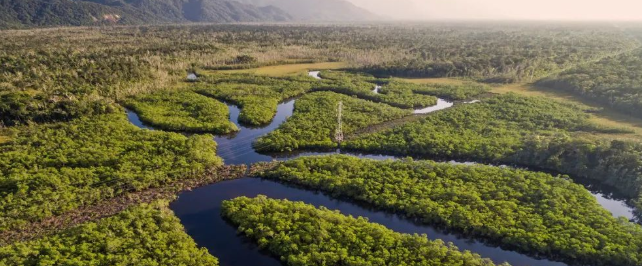
Researchers, including Alberto Akama from the state-funded Emilio Goeldi Museum, have warned that blasting could damage the ecosystem. The rapids provide habitats for endangered fish, breeding grounds for turtles, and feeding areas for river dolphins. In response, Brazil’s environmental agency Ibama approved the blasting only outside critical breeding and migration seasons. The agency also requires environmental monitoring and the relocation of turtle nests. The federal transport agency DNIT stated that teams will work to drive animals away from the blasting sites beforehand.
Supporters of the initiative, such as Helder Barbalho, governor of Pará state, emphasize its economic potential. “The state of Pará believes it is possible to reconcile environmental preservation with economic development,” Barbalho said. He and other proponents argue that river transport is both cheaper and less polluting than long truck journeys across Brazil’s highways.
Government projections indicate the Araguaia-Tocantins riverway could transport about 20 million metric tons of soybeans and corn annually to northern ports. Officials say this would cut logistics costs and reduce emissions from overland freight. However, experts note that broader environmental impacts remain complex, as the project may influence land use in the Amazon and the Cerrado.
These issues are expected to draw discussion at the upcoming United Nations COP30 climate summit in Belem in November. The debate reflects Brazil’s challenge of balancing agricultural expansion and infrastructure development with conservation and carbon reduction goals in its most ecologically sensitive regions.