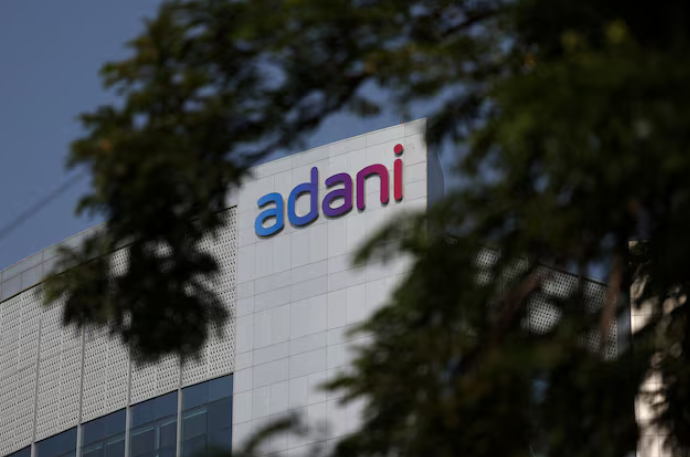
The logo of the Adani Group is seen on the facade of its Corporate House on the outskirts of Ahmedabad, India, November 21, 2024.
The Assam tender is part of a broader initiative across several Indian states to secure long-term thermal power capacity amid rising electricity demand and variability in renewable energy generation. States including Rajasthan, Uttar Pradesh, Gujarat, and West Bengal are collectively planning over 22 GW of thermal power bids to strengthen base-load supply and ensure grid stability.
Adani Power, a subsidiary of the Adani Group, has been expanding its generation portfolio to meet growing domestic power needs. In August, the company announced investments of around $5 billion to build two new coal-fired power plants. Its long-term goal is to increase total capacity from the current 18 GW to 42 GW by fiscal year 2032, with 8.5 GW already secured under long-term power purchase agreements (PPAs).
The company also confirmed that approximately 2 trillion rupees will be invested in its expansion plan over several years. The first 12 GW of this additional capacity is scheduled to be commissioned by fiscal year 2030. To support this timeline, Adani Power has already placed advance orders for all major equipment—including boilers, turbines, and generators—with staggered deliveries expected over the next 38 to 75 months. A company executive noted that this approach would help maintain consistent progress across multiple project sites.
Adani Power has also reported an improvement in its international receivables. The company stated that outstanding power supply dues from Bangladesh have now narrowed to about 15 days’ worth of supply, compared with around $900 million in May and nearly $2 billion earlier this year. This reduction reflects steady payment normalization and ongoing cooperation between Adani Power and Bangladesh’s electricity authorities.
India’s overall electricity consumption has grown rapidly, driven by industrial expansion, urbanization, and rising household demand. As renewable sources such as solar and wind continue to expand, coal-based plants remain crucial in providing consistent supply to balance grid fluctuations. The new projects, including the Assam tender, are intended to ensure stable energy availability during periods of lower renewable generation.
Adani Power’s continued investment in large-scale power infrastructure underlines its role in India’s energy transition. While the company is increasing thermal capacity to meet current demand, it has also indicated plans to diversify into renewable energy in the longer term, aligning with India’s goal of maintaining reliable and affordable electricity while progressing toward cleaner energy development.