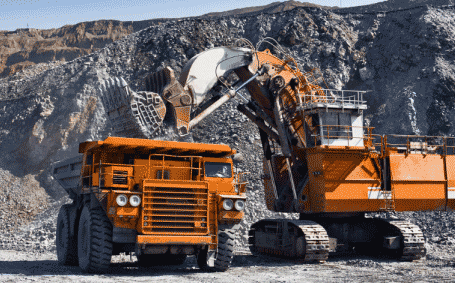
Teck’s Highland Valley in British Columbia is Canada’s largest copper operation.
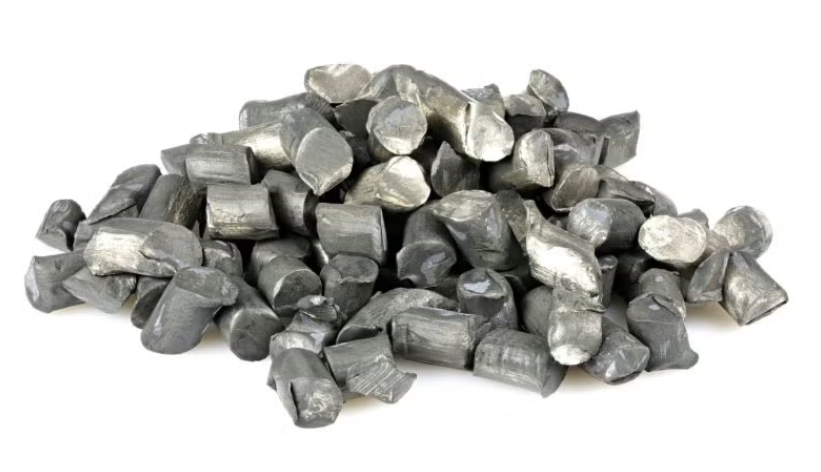
Hodgson stated that Canada and its G7 partners will work together to mobilize public and private investment to fast-track the production of critical minerals such as graphite, rare earth elements, and scandium. These materials are vital for technologies like electric vehicles, renewable energy systems, and advanced manufacturing. The alliance aims to strengthen supply chains and increase the availability of these essential resources for member nations.
As part of this plan, Canada signed offtake agreements for scandium and graphite with two companies—Australian mining giant Rio Tinto and Quebec-based Nouveau Monde Graphite. An offtake agreement ensures that a buyer commits to purchasing part or all of a producer’s future output at a predetermined price, providing stable demand and financial predictability for both sides. The agreements mark a significant move in securing long-term supplies of key materials necessary for industrial and energy transition goals.
Earlier this week, Hodgson told Reuters that Canada’s objective is to strengthen supply chain cooperation among its allies and position itself as a reliable supplier of critical minerals. He emphasized that the country seeks to enhance its role in global resource networks by ensuring secure and transparent access to strategic materials. Canada already produces several important metals, including nickel, copper, and cobalt, which are widely used in energy storage, power systems, and manufacturing sectors.
Within the G7 framework, efforts to expand critical mineral production are expected to improve economic resilience and reduce potential supply disruptions. G7 countries, with the exception of Japan, have depended largely on imports of certain raw materials, including rare earth magnets and battery metals. Through the new alliance, member nations aim to diversify sources, strengthen industrial cooperation, and promote investment in environmentally responsible mining.
The C$6.4 billion acceleration plan represents one of Canada’s largest recent commitments to the critical minerals sector. It is expected to create jobs, stimulate regional economic growth, and support innovation in mineral processing and clean technology development. By fostering collaboration among public institutions, private companies, and international partners, the initiative seeks to enhance resource efficiency and ensure sustainable development within the industry.
Overall, the new strategy reinforces Canada’s position as a key participant in global mineral supply chains. The collaboration with G7 members underlines a shared commitment to ensuring stable access to essential materials that underpin clean energy technologies and advanced manufacturing.