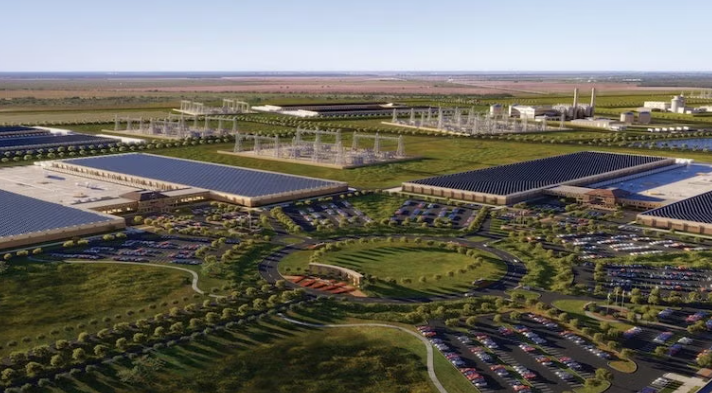
A rendering of Fermi America’s project site.
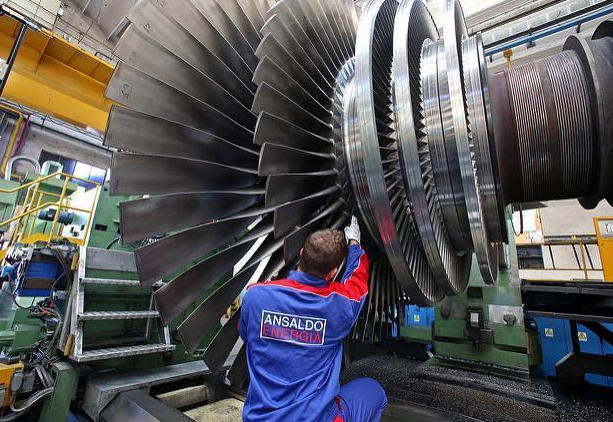
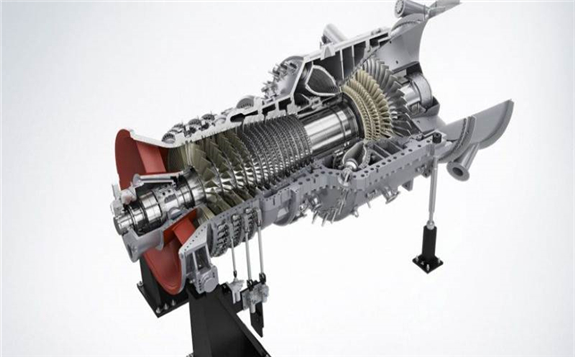
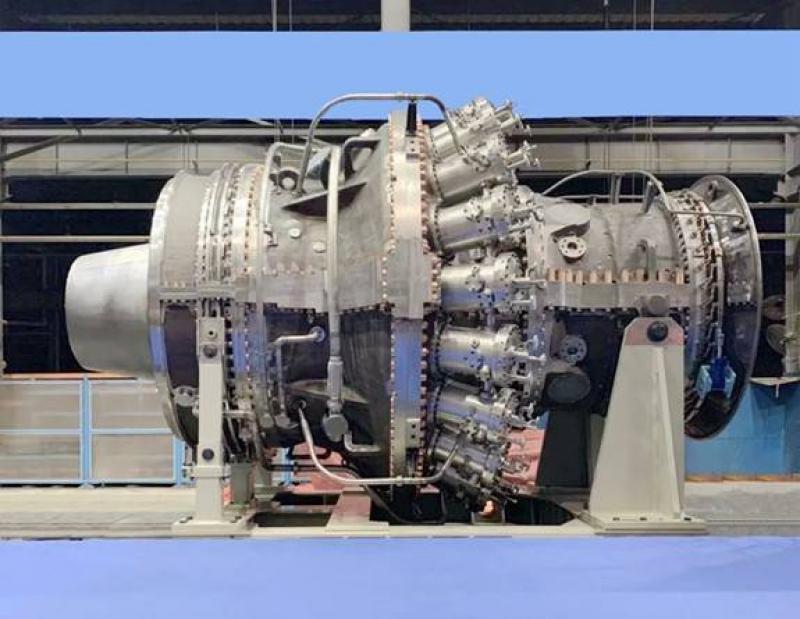
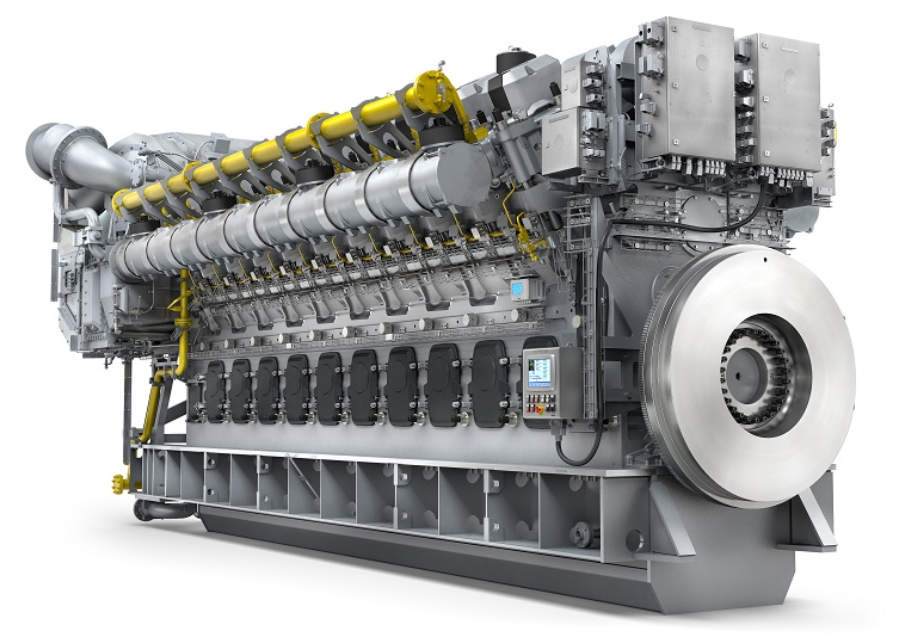
The turbines are scheduled for delivery in the fourth quarter of 2025 and are expected to begin operation in early 2026 as part of Fermi’s initial 500MW of generation capacity. The mobile TM2500 units, known for high efficiency and rapid deployment, will offer flexible, dispatchable power, complementing Fermi’s integrated energy strategy that combines natural gas, nuclear, solar, and battery storage.
The agreement, signed in partnership with the Texas Tech University System, establishes a 20-year collaboration between Fermi America and MPS. Both companies plan further turbine acquisitions to support ongoing efforts in strengthening US grid reliability and enhancing energy independence.
Fermi co-founder and CEO Toby Neugebauer said: “This deal reflects our drive to meet the growing demands of AI infrastructure and US industry. Fermi’s energy platform is designed to bolster national resilience and competitiveness.”
MPS CEO Juan Pablo Elias added: “The TM2500’s rapid deployment and proven reliability make it an ideal technology for strengthening Fermi’s power portfolio. This collaboration supports the broader goal of delivering reliable, fast-track power wherever and whenever needed to maintain a strong US energy system.”
The addition of these turbines is a key step in Project Matador, enabling Fermi to provide scalable, on-demand energy to support advanced computing, industrial applications, and critical infrastructure. The flexible power solution also enhances grid stability, offering rapid response to fluctuations in demand while supporting renewable integration.
By leveraging mobile, efficient gas turbines, Fermi aims to balance clean energy adoption with dispatchable power, ensuring operational continuity across its HyperGrid campus. The partnership with MPS underscores a focus on reliable, fast-deployable technology that can meet urgent energy needs while advancing the US energy transition.
Over the next two decades, Fermi and MPS plan to continue expanding the turbine fleet as part of a broader strategy to reinforce national energy security, meet industrial power demands, and provide a resilient platform for AI and high-performance computing infrastructure. The collaboration highlights the role of integrated energy solutions combining traditional and renewable resources for a robust, flexible, and future-ready power system.
In summary, the Fermi-MPS agreement marks a significant milestone in scaling flexible natural gas generation, enhancing grid reliability, and supporting the US energy system’s resilience, all within the framework of the Project Matador HyperGrid campus.