The logo of lithium company Controlled Thermal Resources Ltd is seen at corporate headquarters in Imperial, California, U.S. September 16, 2021.
CEO Rod Colwell said the company is considering listing on either the New York Stock Exchange (NYSE) or Nasdaq. CTR must first commercialize its direct lithium extraction (DLE) technology, which remains under development, to supply lithium for electric vehicle batteries to partners Stellantis and General Motors. Colwell noted that the IPO aligns with Washington’s growing preference for supporting publicly traded mineral companies.
Recent U.S. government investments have focused on critical minerals producers such as MP Materials and Lithium Americas, part of national efforts to diversify supply chains. Colwell said: “Would the federal government do what they've done with MP Materials if it was private? There seems to be a pattern that Washington prefers working with public companies and having a path to liquidity.” When asked if the IPO aimed to secure U.S. government funding, he replied: “Absolutely.”
Colwell, who will lead American Critical Resources after the listing, holds a controlling stake in CTR along with his family members. He declined to disclose an estimated valuation, saying discussions were still at an early stage. Advisory firm Hall Chadwick and investment bank Cohen & Co are assisting with the IPO process.
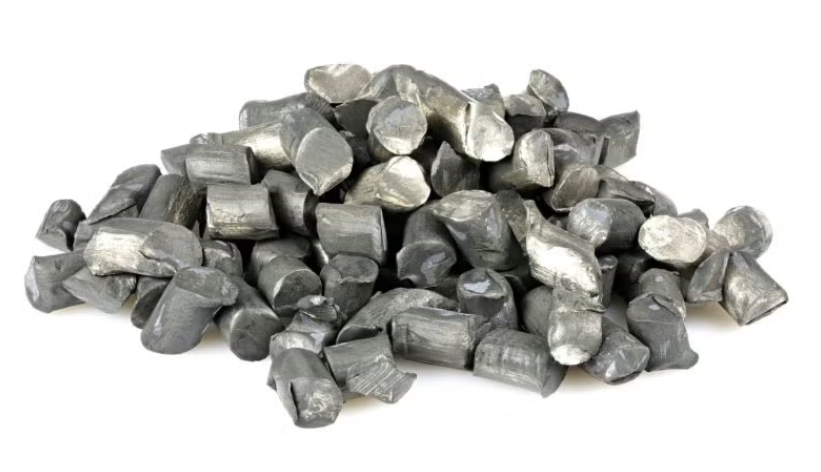
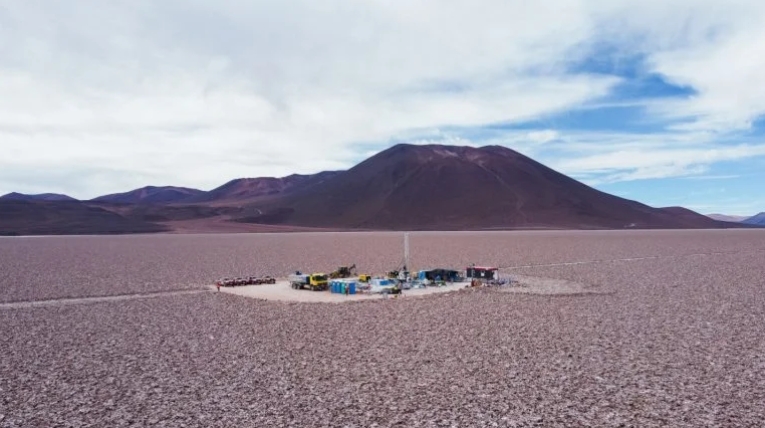
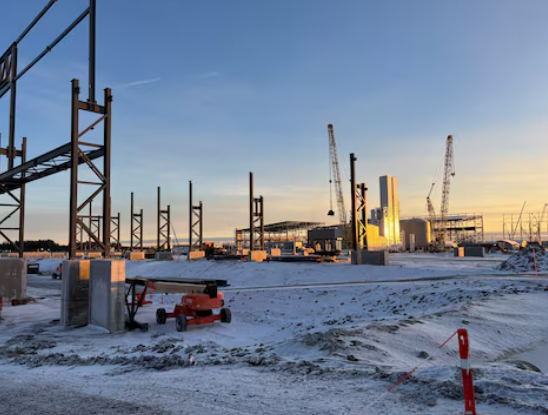
CTR’s project is based at the Salton Sea, about 160 miles southeast of Los Angeles, and is expected to begin lithium production in 2028. The project was previously placed on a fast-track permitting list by U.S. authorities. In addition to lithium, the company plans to extract zinc, manganese, and potash from deep geothermal brine by 2029, aiming to strengthen domestic production of critical minerals.
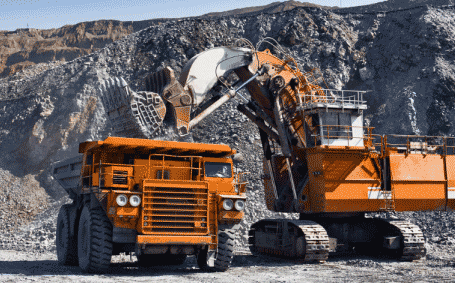
Like many industry peers, CTR has faced challenges in commercializing DLE technology, which supporters view as more environmentally sustainable than traditional open-pit mining and evaporation methods. The company missed its earlier target to supply lithium to GM by 2024.
The Salton Sea development has also encountered legal challenges. Environmental group Earthworks filed a lawsuit over potential water use impacts, but a state court ruled against the group earlier this year. The organization has since filed an appeal.
California’s lithium initiative is unfolding amid growing competition across the U.S. to deploy commercial DLE technology. Arkansas, for instance, is pursuing similar projects to achieve early production. CTR’s planned IPO and technology rollout position it to play a significant role in meeting the country’s rising demand for electric vehicle battery materials while advancing new extraction methods for critical minerals.