The Catabola Electrification Project in Angola.
Situated in a prominent agricultural and industrial province, the project represents the initial connection of Catabola communities to the national grid. It establishes essential infrastructure to enhance healthcare, education, commercial activities, and regional industries, while decreasing dependence on less efficient local generation sources.
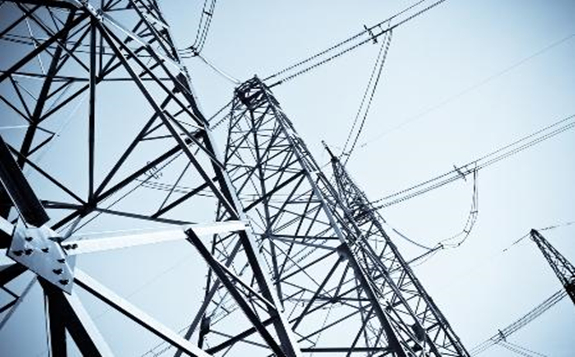
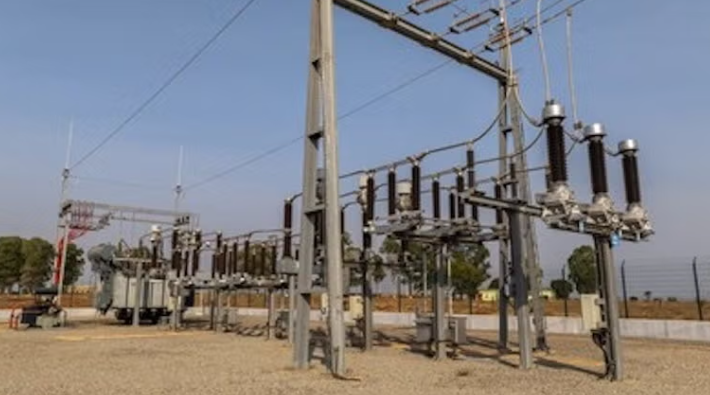
Mitrelli’s comprehensive implementation in Catabola encompasses 132 kilometers of medium- and low-voltage lines, 26 medium-voltage transformer stations—15 rated at 100 kilovolt-amperes (kVA) and 11 at 160 kVA—2,350 household connections serving a population of 20,000, a 60/30 kV substation with 20 megavolt-amperes (MVA) capacity, and an additional 4.2 MVA across medium-voltage stations.
When integrated with nine further Mitrelli rural electrification efforts in the province, the overall program will provide grid access to over 126,000 individuals, improving medical facilities, educational opportunities, and business operations.
Rodrigo Manso, CEO of Mitrelli, commented: “The project reflects a close partnership between Mitrelli, government institutions and local communities, combining technical expertise with deep local engagement. This milestone reflects both Angola’s vision and our shared commitment to building the systems that empower people, strengthen economies and shape a sustainable future – locally, nationally and across the African continent.”
This development delivers immediate benefits through reliable power distribution, enabling refrigeration for clinics, lighting for schools, and machinery for small enterprises. The grid extension replaces standalone diesel units, offering cleaner and more consistent energy while reducing operational costs for end users.
Technical design prioritizes scalability, with transformer capacities matched to projected load growth from residential and productive uses. Medium-voltage networks ensure efficient transmission over distance, minimizing losses in a terrain characterized by dispersed settlements.
Community involvement during planning and execution fostered ownership, with training programs equipping locals for basic maintenance and safety practices. This approach supports long-term system reliability and creates employment in installation and ongoing operations.
The province-wide scope amplifies impact, linking remote areas to central generation and facilitating market access for agricultural produce. Enhanced connectivity stimulates investment in processing facilities and value-added activities, contributing to diversified economic activity.
Angola’s electrification strategy emphasizes inclusive coverage, recognizing electricity as a foundation for multiple development goals. Mitrelli’s turnkey model streamlines delivery, from engineering to commissioning, within defined timelines and quality standards.
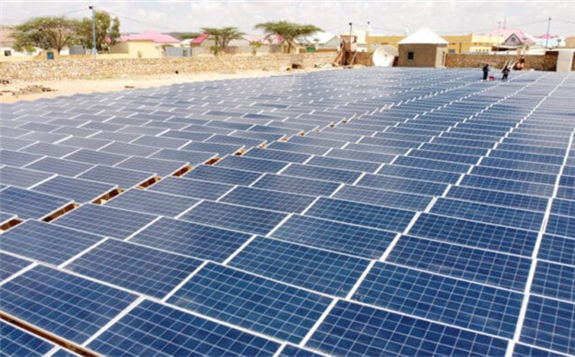
Future phases may incorporate renewable integration, such as solar hybrids, to complement grid supply in off-peak periods. Monitoring frameworks will track usage patterns and service quality, informing adjustments for optimal performance.
Overall, the Catabola project exemplifies effective collaboration between public objectives and private execution, establishing a replicable framework for rural energy access. By bridging infrastructure gaps, it lays groundwork for sustained progress in health, education, and commerce across underserved regions.