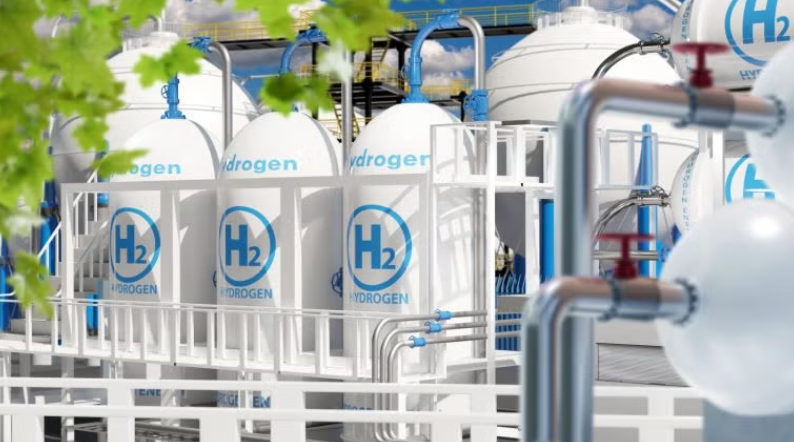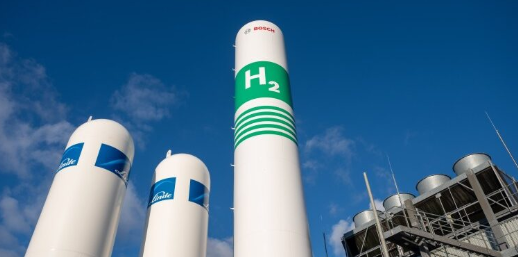
The green hydrogen is stored in the 21-meter-high tank at up to 50 bar
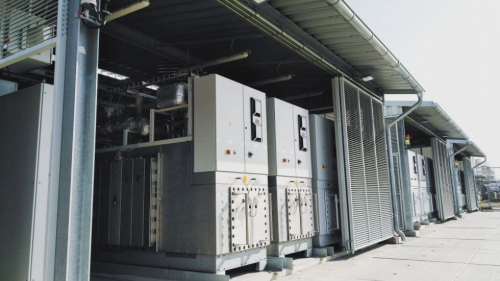
The electrolyzer produces green hydrogen in compliance with European Union requirements, which mandate the simultaneous generation of renewable electricity and close proximity between the energy source and the electrolyzer within the same price zone. Bosch said this approach ensures alignment with EU standards for sustainable hydrogen production.
The Bosch Hybrion PEM stacks, each weighing 23 kilograms, were manufactured at the company’s Bamberg plant and assembled into a complete unit by German hydrogen specialist FEST GmbH in Goslar. At full operating capacity, the electrolyzer can generate more than one ton of renewable hydrogen per day. This output is sufficient to power a 40-ton electric truck equipped with Bosch’s Fuel Cell Power Module (FCPM) for up to 14,000 kilometers.
Bosch plans to operate the FCPM continuously inside a “lifetime container” at the Bamberg facility. In this setup, hydrogen produced by the electrolyzer will be used to test the long-term performance of the fuel cell system. Electricity generated by the FCPM will be fed back into the electrolyzer, supporting both ongoing hydrogen production and system testing. Bosch indicated that multiple operating scenarios will be simulated within the test container to evaluate performance under varying conditions.
The initiative reflects Bosch’s commitment to advancing renewable energy and hydrogen technologies for industrial and transportation applications. By integrating in-house production, testing, and real-world application, the company aims to accelerate the development of efficient, high-performance fuel cell systems.
This first self-operated electrolyzer at Bamberg forms part of Bosch’s broader strategy to scale up green hydrogen production and support the transition to low-carbon mobility. The system combines advanced electrolysis technology with practical applications in heavy-duty transport, demonstrating the potential of hydrogen as a clean energy carrier.
By leveraging locally manufactured PEM stacks and integrating them with Bosch’s FCPM technology, the company is creating a self-contained ecosystem for producing, testing, and utilizing renewable hydrogen. The project also provides insights into long-term operational reliability and efficiency, contributing to Bosch’s research and development efforts in hydrogen fuel cells.
Overall, the Bamberg electrolyzer project showcases Bosch’s approach to combining renewable energy generation, advanced electrolysis, and fuel cell technology to create sustainable, high-capacity solutions for industrial and mobility applications. It positions the company as a key player in Europe’s growing hydrogen economy while supporting practical testing and optimization of next-generation fuel cell systems.