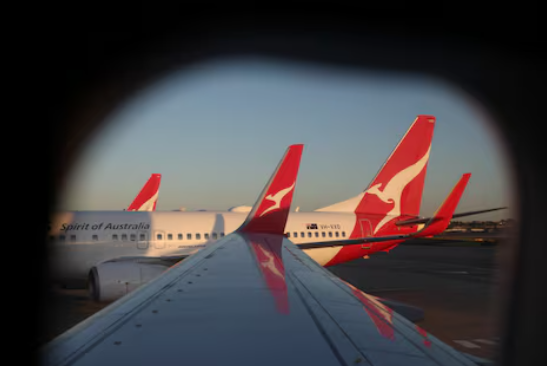
A Qantas logo is visible on the tail of an aeroplane at an airport in Sydney, Australia, September 18, 2025.
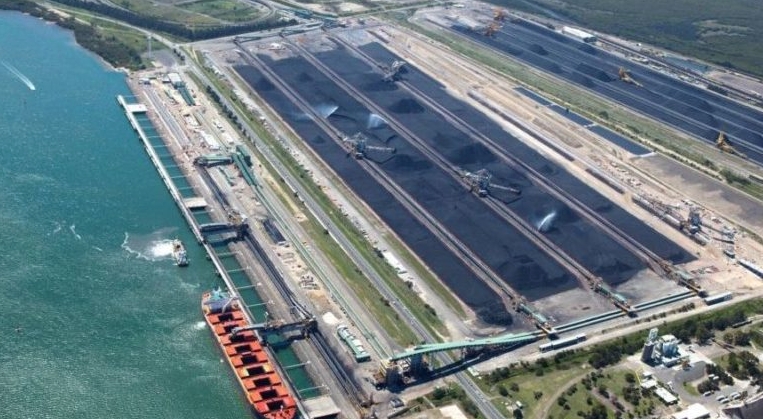
Qantas now expects its first-half 2026 domestic unit revenue to increase by about 3%, placing it at the lower end of its earlier guidance of 3% to 5%. The airline said that while travel demand from the mining and resources industries remains strong, broader corporate travel in Australia is recovering more slowly than expected.
Analysts at Citi commented: “With Jetstar Asia ceased and Japan FX-related, we estimate investors will largely look through, while the refining-margin fuel increase to us appears better than feared.”
Group capacity for the first half of 2026 is projected to be “slightly lower than previously guided,” due to delays in the reactivation of the A380 fleet. Qantas CEO Vanessa Hudson stated in a separate release: “We are adjusting domestic capacity in the second half to match the demand profile we are seeing.”
The airline also said it is monitoring the ongoing U.S. government shutdown but has not observed any material impact so far. Fuel costs for the first half are now forecast at A$2.62 billion ($1.70 billion), up from an earlier estimate of A$2.6 billion. The increase reflects persistent high refining margins caused by ongoing geopolitical uncertainty. The revised projection includes around A$25 million in additional non-cash carbon costs associated with higher compliance obligations under the international CORSIA emissions scheme.
Qantas continues efforts to rebuild customer confidence after a series of legal and reputational challenges. These include an A$120 million package of penalties and compensation related to “ghost flights” and a record A$90 million court fine for the unlawful outsourcing of ground-handling staff. Despite these setbacks, the airline has maintained profitability and is focusing on operational stability.
In July, the group also completed the closure of Singapore-based Jetstar Asia as part of a broader capital recycling strategy amid rising regional competition and operational costs. Jetstar Japan and Jetstar Australia services remain unaffected.
Earlier this week, Qantas noted that delays in returning its A380 aircraft to service could influence near-term capacity and yield performance. Separately, Typhoon Kalmaegi struck Vietnam on Thursday after passing through the Philippines, where it caused significant damage and over 100 fatalities. While unrelated to Qantas operations, the storm has affected travel conditions in parts of Asia.
Overall, Qantas faces near-term challenges from higher fuel costs and uneven demand recovery but continues to adjust capacity and maintain a cautious financial outlook.