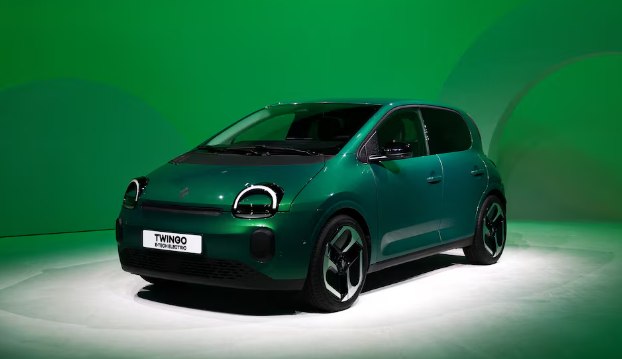
The new Renault Twingo E-Tech electric car is unveiled during a media preview presentation in Ivry-sur-Seine near Paris, France, October 31, 2025.
The new Twingo retains the silhouette of its 1992 predecessor, including the signature round headlights. This launch continues Renault’s strategy of reviving iconic models, initiated under former CEO Luca de Meo with the Renault 5 and Renault 4. François Provost, who became CEO on July 31, plans a steady pace of new vehicle launches in the coming years, though it is unclear if additional classic model revivals are included in this plan.
Renault sold over 4.1 million Twingo units across 25 countries over the past three decades. However, the small car market in Europe has contracted as profit margins have become tight for local manufacturers. The European Commission is evaluating new regulations to support and revitalize this segment.
To accelerate development and manage costs, Renault designed the new Twingo in France while its ACDC R&D centre in Shanghai handled engineering and development. The car will feature a more affordable lithium iron phosphate (LFP) battery supplied by China’s CATL. Production will be limited to four exterior colors.
Renault’s alliance partner Nissan (7201.T) will offer a version of the Twingo, while the low-cost Dacia brand will sell a model priced under 18,000 euros. This strategy is intended to target different market segments while maintaining a competitive edge in the growing electric vehicle sector.
The electric Twingo combines classic design elements with modern technology to appeal to urban drivers seeking affordable, zero-emission vehicles. By combining European assembly with Chinese battery technology, Renault aims to optimize production efficiency and cost-effectiveness while maintaining European manufacturing standards.
Overall, the launch of the new Twingo highlights Renault’s approach to blending nostalgic appeal with practical, cost-conscious electric mobility solutions. It underscores the company’s focus on expanding its EV lineup in Europe while leveraging global engineering and supply partnerships to meet evolving consumer demand in the city car segment.