


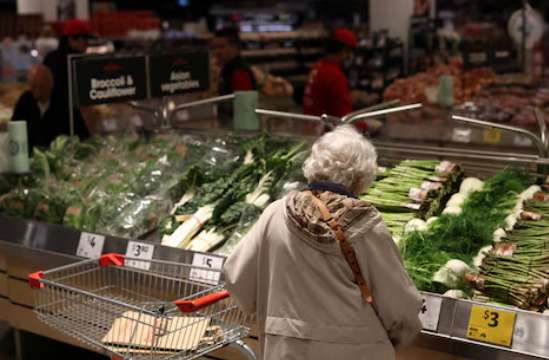
A shopper looks at vegetables displayed at a Coles supermarket in Bondi Junction, in Sydney, Australia, October 29, 2025.
The index was slightly lower than its October 2024 level and stood 21.1% below its peak in March 2022. After reaching a two-year high in July, the index stabilized in August and declined in September, led by a drop in sugar prices. The downward trend continued in October, reflecting stable agricultural output and easing pressure on global food markets.
The FAO’s sugar price index fell 5.3% to its lowest level since December 2020. The decline was attributed to robust sugar production in Brazil, anticipated output growth in Thailand and India, and reduced crude oil prices, which limited the diversion of sugarcane toward biofuel production.
The dairy price index dropped 3.4% from September due to weaker quotations for milk powder and a fall in butter prices. Ample export availability from the European Union and New Zealand contributed to the decrease. The trend indicates a well-supplied international dairy market with stable trade flows.
The meat price index eased 2% in October after eight consecutive months of increases. Pig and poultry prices fell sharply, while bovine meat prices continued to rise, supported by firm global demand. The contrasting price movements across meat categories reflect changing consumption trends and market adjustments following earlier supply constraints.
In contrast, vegetable oil prices rose 0.9% in October, reaching their highest level since July 2022. The increase was driven by stronger global demand and concerns over supply chain disruptions in some producing regions. Despite this rise, overall food price pressures remained contained.
In a separate report, the FAO projected world cereal production in 2025 to reach a record 2.990 billion metric tons, up from its earlier estimate of 2.971 billion tons. The new forecast represents a 4.4% increase from 2024 levels, supported by expected growth in all major cereal categories. Both maize and rice production are projected to hit record highs, indicating strong global output prospects.
The FAO’s data suggest that abundant harvests and stable export supplies are helping to moderate global food prices despite regional variations. While some commodity categories showed localized increases, the overall market trend in October points to balanced conditions across major food sectors and steady improvement in global supply stability.
