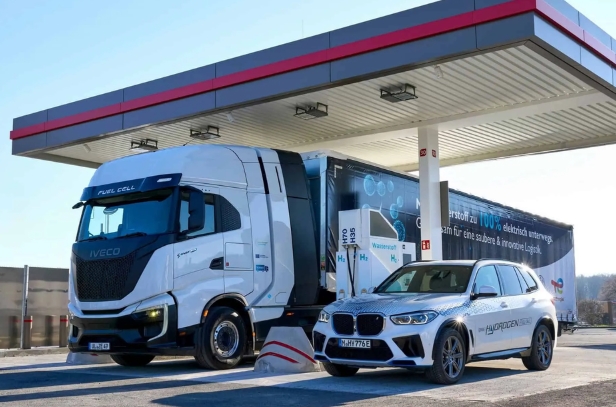
The hydrogen-powered truck, leased from HTEC, has already completed multiple zero-emission delivery routes between Vancouver and Squamish. These operations have provided essential data on vehicle performance, fuel efficiency, and reliability, contributing to the evaluation of hydrogen as a clean alternative for heavy-duty freight transport.
The pilot project is a collaboration among several organizations, including HTEC, the Alberta Motor Transport Association (AMTA), the British Columbia Trucking Association (BCTA), Deloitte, Transport Canada, Hyundai, and other industry partners. Their shared goal is to identify scalable clean-energy freight models that can be applied more broadly across Canada’s transportation network.
Supported through both government and industry funding, the initiative represents an important step in establishing the foundation for hydrogen fuel infrastructure. Data collected from the ongoing pilot will inform strategies for expanding refueling networks, fleet conversion, and operational standards for hydrogen-powered trucks in commercial use.
According to the project organizers, the pilot also demonstrates how partnerships between the private and public sectors can accelerate the adoption of zero-emission technologies. It showcases practical pathways for reducing greenhouse gas emissions in freight transportation, one of the most energy-intensive sectors in Canada’s economy.
HTEC, which specializes in hydrogen production and refueling solutions, has been instrumental in supplying hydrogen fuel and logistical support for the project. FortisBC’s involvement through its innovation fund underscores the company’s commitment to promoting clean energy development and supporting sustainable transportation.
The use of hydrogen-powered heavy-duty vehicles aligns with Canada’s broader objectives to diversify energy sources and enhance the resilience of supply chain operations. By replacing diesel with hydrogen in long-haul transport, the sector can reduce dependence on conventional fuels while improving environmental performance and energy efficiency.
As testing continues, the data and insights from the Vancouver–Squamish route will help refine the design, performance, and commercial viability of future hydrogen-powered fleets. The success of this pilot could serve as a blueprint for scaling similar initiatives across British Columbia and other provinces, contributing to Canada’s long-term transition toward a cleaner and more efficient logistics system.