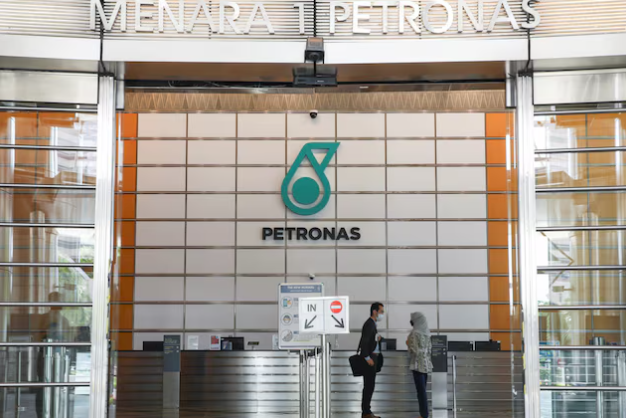
A logo of Petronas is seen at their office in Kuala Lumpur, Malaysia, April 27, 2022. Picture taken on April 27, 2022.
The biorefinery, located in Pengerang, Johor, at the southern tip of the Malay Peninsula, occupies a strategic position along major international shipping routes. Designed with an annual processing capacity of up to 650,000 tonnes, the plant will use renewable feedstock such as used vegetable oils, animal fats, and residues from vegetable oil processing. These materials will be converted into Sustainable Aviation Fuel (SAF), Hydrogenated Vegetable Oil (HVO), and bio-naphtha, contributing to the diversification of alternative energy sources in Asia.
According to a joint statement from the companies, operations at the new facility are expected to start in the second half of 2028. Once completed, the plant is expected to strengthen the supply chain for sustainable fuels and support regional efforts toward lower-carbon energy solutions.
Enilive’s Chief Executive Officer Stefano Ballista said: “The new biorefinery is a further and relevant step forward towards the achievement of a production capacity over 5 million tons per year and over 2 million tons of SAF by 2030.” His remarks underscore the joint venture’s long-term strategy to scale up biofuel production capacity and expand its contribution to global sustainable energy development.
The project brings together the technical expertise and resources of Petronas, Eni, and Euglena. Petronas, Malaysia’s state energy company, provides local infrastructure and operational experience. Eni, through Enilive, contributes advanced refining and biofuel technologies, while Euglena offers innovation in renewable feedstock development. This collaboration highlights growing international cooperation in sustainable fuel production and the shared goal of reducing dependence on conventional fossil fuels.
When fully operational, the Pengerang biorefinery is expected to play an important role in meeting the increasing demand for cleaner fuels in aviation, transportation, and industrial sectors across Asia. It will also help advance Malaysia’s position as a regional hub for renewable energy innovation and biofuel production.
By integrating waste-derived materials and renewable feedstock into its refining process, the project aligns with global efforts to reduce greenhouse gas emissions and promote more circular use of resources. The new facility’s products, including SAF and HVO, will be suitable for both domestic use and export to international markets, reflecting the joint venture’s strategy to serve diverse energy needs across the region.