A view shows a logo of Shell petrol station in South East London, Britain, February 2, 2023
Shell confirmed that it sold its 50% stake in the MarramWind project to ScottishPower Renewables and returned the CampionWind lease to Crown Estate Scotland. ScottishPower Renewables said it would continue developing MarramWind independently, while the future of CampionWind remains uncertain and will depend on decisions by Crown Estate Scotland and market conditions.
Under the leadership of CEO Wael Sawan, Shell has revised its energy strategy, prioritizing investments in its traditional energy businesses to enhance financial performance and investor confidence. A Shell spokesperson said: “After a comprehensive review and in line with Shell’s previously announced refocusing of its power strategy on leveraging Shell’s strengths in trading and retailing, the conclusion was to not take the CampionWind project forward.”
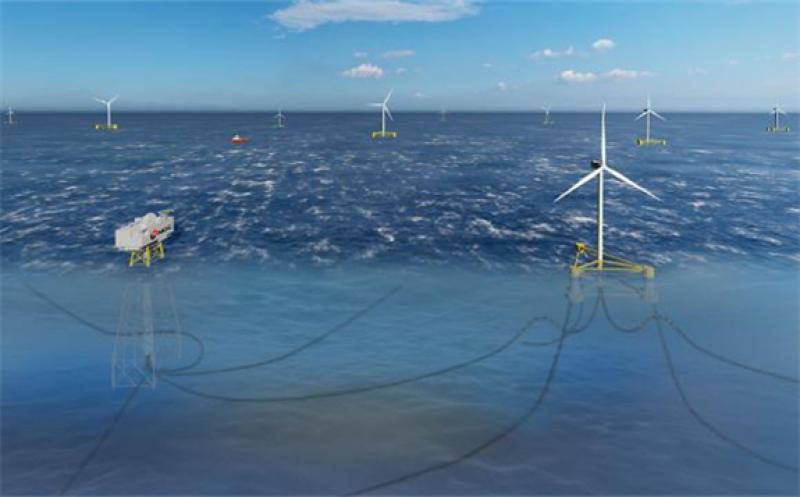
The CampionWind project, situated about 100 kilometers (60 miles) from Scotland’s east coast, was designed to generate up to 2 gigawatts of electricity. Crown Estate Scotland stated it will evaluate potential options for the site, taking into account current market interest and energy development needs.
MarramWind, located approximately 75 kilometers off the northeast coast of Aberdeenshire, has an estimated potential capacity of up to 3 gigawatts. If completed, it could supply renewable energy sufficient to power over 3.5 million homes in the United Kingdom.
A spokesperson for ScottishPower Renewables said: “With sole responsibility for MarramWind – alongside our MachairWind project – we will now continue the development of these wind farms and maintain our positive engagement with local people and businesses.” The company emphasized its commitment to advancing offshore wind development in Scotland and supporting local communities throughout the project’s implementation.
ScottishPower Renewables, a subsidiary of Spanish utility company Iberdrola, now holds full ownership of MarramWind. The company is expected to move forward with feasibility studies, environmental assessments, and engagement with supply chain partners to progress the project toward construction.
Shell’s withdrawal from the two Scottish offshore wind ventures follows a broader strategic shift within the company’s power division, aimed at concentrating on areas where it holds competitive advantages, such as energy trading, retail supply, and integrated gas. The move aligns with Shell’s approach to focus on projects that provide higher returns and operational synergies across its global portfolio.
While the exit marks a reduction in Shell’s participation in large-scale offshore wind development, it also underscores the growing role of companies like ScottishPower Renewables in advancing Scotland’s renewable energy ambitions. Both projects remain significant to the country’s long-term energy transition and offshore wind capacity goals.