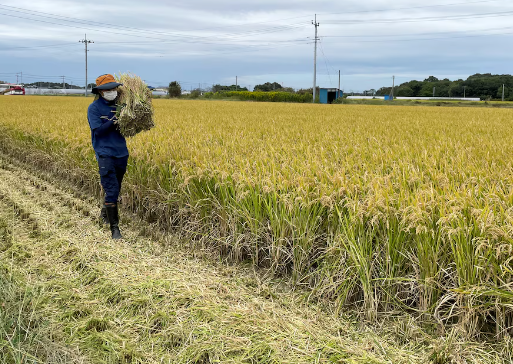
A farmer harvests rice at a field in Chikusei, Ibaraki Prefecture, Japan October 9, 2025.
“When I go shopping I’m shocked at the expenditure,” said 28-year-old shopper Tasuku Uchida. “So I look back at the receipt and when I realise that I haven’t bought anything extra, it dawns on me just how far prices have risen. I want the government to hurry up and tackle inflation.”
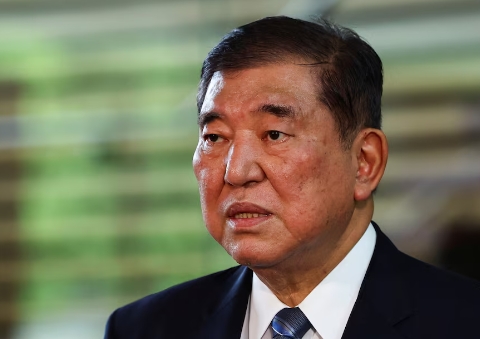
Japan is once again facing surging rice prices, posing a challenge for newly elected Prime Minister Sanae Takaichi, who took office on October 21. With initial approval ratings above 60%, Takaichi plans to introduce an economic package by the end of the month aimed at addressing inflation and stabilizing food prices. Agriculture Minister Norikazu Suzuki has mentioned the possibility of issuing rice coupons to certain households as part of the relief measures.
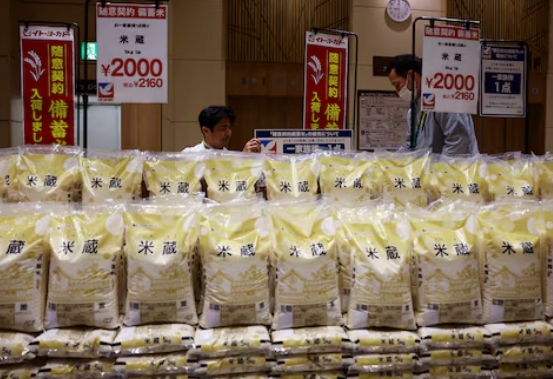
Inflation, driven largely by food costs, has exceeded wage growth almost every month for the past three years. Rice prices, which began to climb in mid-2023 due to supply shortages, eased temporarily during the summer after the government released emergency stockpiles at discounted rates. However, the relief was short-lived, and prices have since rebounded to near-record levels.
As of the week ending October 27, supermarket rice prices averaged 4,235 yen for a 5-kilogram bag, up 23% from a year earlier and close to May’s record high of 4,285 yen. Wholesale prices for September, reflecting the new harvest, reached a record 36,895 yen per 60 kilograms, rising 36% from the previous month. Dealers, wary of repeating last year’s shortage caused by extreme heat and misjudged demand, have been aggressively securing supply despite government reassurances.
“We are traumatised by last year’s rice shortage turmoil,” said a rice wholesaler who declined to be named. “Our top priority is to stably supply rice to customers. So it can’t be helped if rice prices are high as we have to secure it.”
Shunsuke Orikasa, chief researcher at the Distribution Economics Institute of Japan, said retail prices are unlikely to fall before March unless a large surplus emerges. High domestic rice prices have also prompted some consumers and businesses to switch to cheaper imported rice, which remains less costly even with Japan’s import levy of 341 yen per kilogram. According to finance ministry data, private rice imports in September increased nearly 160-fold from a year earlier.
Nomura Research Institute economist Takahide Kiuchi said: “Policies appear to have shifted to ones that take producers and distributors into consideration. It doesn’t look like there will be any policies that would bring rice prices down from around 4,000 yen, which will be a big disappointment for consumers.”
Even farmers share concerns about the current market situation. “It’s too expensive — this is something the market has inflated,” said Yasuji Oshima, a rice farmer in Ibaraki prefecture. He added that a return to pre-2024 prices would hurt profits due to rising labor and equipment costs. “I hope the new government will implement policies that will ensure sustainable agriculture in Japan for the next 10 and 50 years.”