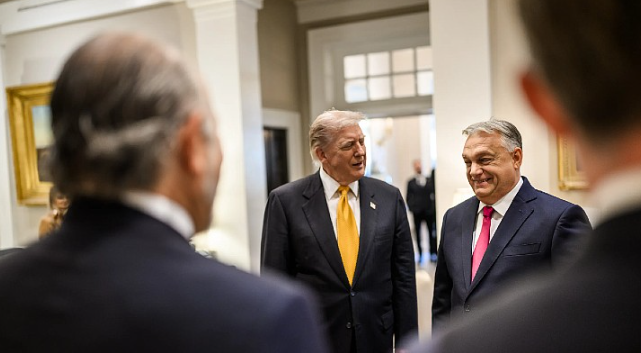
The agreement was revealed during discussions between Hungary's Prime Minister Viktor Orbán and US President Donald Trump. Orbán noted that the leaders identified no major points of disagreement between their nations.
A memorandum of understanding from the White House outlined plans to initiate talks on civil nuclear collaboration, covering small modular reactors and spent fuel management. It stated intentions to position Budapest as a center for the developing Central European small modular reactor sector, using advanced US nuclear technology to launch a new cross-Atlantic field. Hungary expressed support for building up to 10 small modular reactors, potentially worth $20 billion.
Károly Mátrai, CEO of MVM Group, said: "Our agreement with Westinghouse is a clear response to today's energy challenges … will make the operation of Paks Nuclear Power Plant safer and more flexible. The diversified fuel procurement reduces external exposures, provides predictability and affordable energy for families and corporate customers."
Tarik Choho, Westinghouse Nuclear Fuel President, said: "We look forward to delivering Westinghouse VVER fuel to Paks and to work with Hungary on its fuel diversification goals. With this contract, we now serve all VVER operators in Europe and Ukraine, helping them increase their security of supply."
Previously, VVER reactor fuel came from Russia. Westinghouse has expanded its VVER fuel clientele to include Ukraine, the Czech Republic, Bulgaria, and Finland. Hungary plans to receive VVER-440 fuel from France's Framatome beginning in 2027 as part of the same diversification approach.
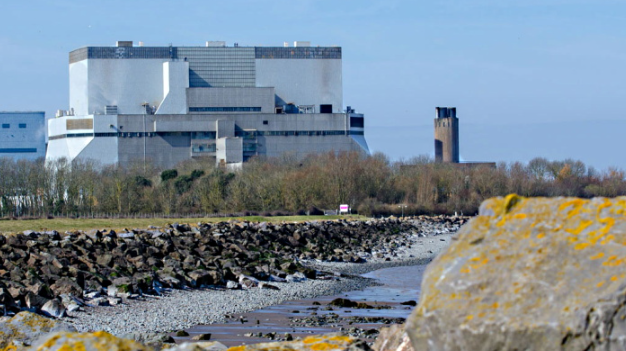
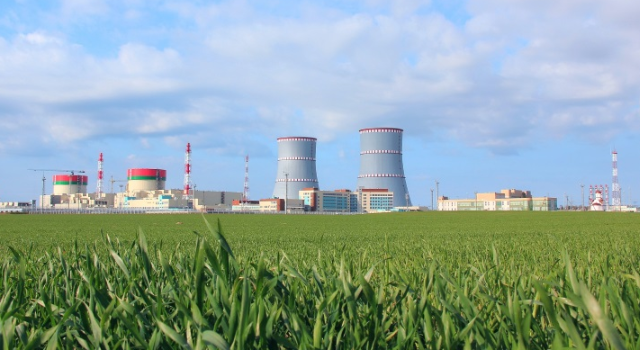
The Paks plant, located 100 kilometers south of Budapest, operates four VVER-440 pressurized water reactors supplied by Russia, commissioned from 1982 to 1987.
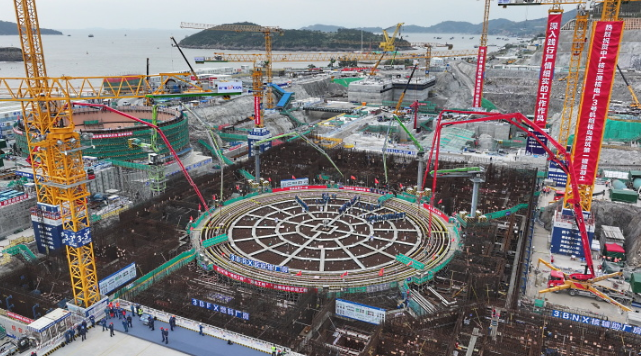
Expansion via the Paks II project involves a 2014 intergovernmental pact for Russian entities and partners to provide two VVER-1200 reactors, backed by a Russian state loan covering 80 percent of costs, up to €10 billion ($10.5 billion). Initial concrete for the first new unit is scheduled for February 2026.
This fuel contract enhances operational reliability at Paks by introducing alternative suppliers, mitigating risks associated with single-source dependency. Westinghouse's VVER-440 design meets stringent safety and performance standards, ensuring seamless integration with existing systems.
MVM Group's strategy aligns with broader European trends toward supply resilience in nuclear energy. Framatome's upcoming deliveries will further broaden options, allowing flexible scheduling and maintenance planning.
The Paks facility generates a significant portion of Hungary's electricity, contributing to stable baseload power. Diversified fuel procurement supports long-term cost control and energy security for residential and industrial users.
Westinghouse's growing role in VVER markets demonstrates technical adaptability across reactor types. Collaboration with MVM fosters knowledge exchange, strengthening regional nuclear capabilities.
Paks II progress, including site preparations, proceeds on track, incorporating modern safety features in the VVER-1200 design. The project will boost capacity, meeting rising demand while maintaining low-carbon output.
Overall, these developments reinforce Hungary's nuclear infrastructure, promoting sustainable energy through proven technologies and international partnerships.