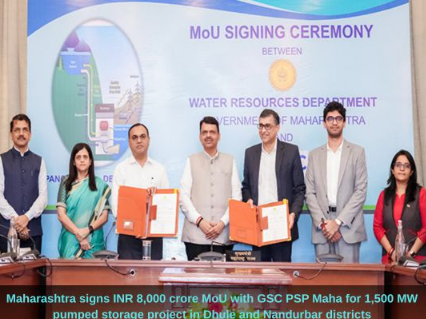
GSC Group, operator of the 96 MW Jorethang Loop and 97 MW Tashiding hydroelectric facilities in Sikkim, has secured its third pumped storage development in India. Previous agreements include the 900 MW Chhadgada project in Uttar Pradesh and the 1.5 GW Jankhai site in Madhya Pradesh. The latest pact was formalized between Additional Chief Secretary Deepak Kapoor and GSC Group Chairman and Managing Director Sumit Nanda, with Chief Minister Devendra Fadnavis present.
“The state government will establish a fast-track mechanism to ensure time-bound clearances for pumped storage hydroelectric projects, including water usage and environmental approvals,” Fadnavis said. He noted that the Sahyadri mountain ranges provide suitable terrain for these developments and that Maharashtra targets approximately 100 GW of capacity to bolster regional and national electricity networks.
Kapoor indicated that memorandums of understanding cover 50 pumped storage projects so far, with 51 sites anticipated to yield 70.3 GW, draw INR 3.83 lakh crore in funding, and produce about 113,000 jobs.
“As India rapidly solarizes, storage becomes the key challenge to solve and pumped storage hydropower stands out as the most proven, sustainable, and durable solution,” Nanda said. “At GSC, we remain deeply committed to advancing India’s renewable energy infrastructure through long-duration storage assets that can strengthen grid reliability for decades to come.”
The Panchmauli-Devalipada facility will utilize elevation differences to store energy by pumping water to upper reservoirs during surplus periods and releasing it for generation during peak demand. This technology supports integration of variable renewables like solar by providing dispatchable power.
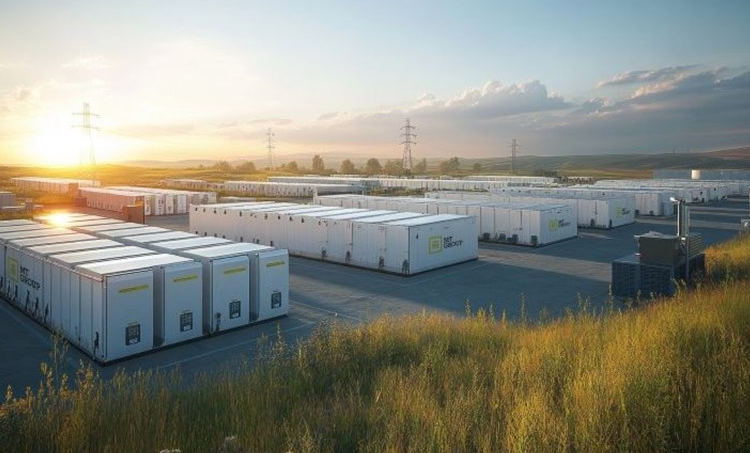
GSC's expanding portfolio reflects confidence in India's storage market, where pumped hydro offers large-scale, long-life solutions compared to batteries. The project's location in northern Maharashtra leverages natural topography, minimizing land acquisition needs.
Fast-track approvals streamline processes for water allocation and ecological assessments, accelerating timelines from planning to commissioning. Maharashtra's 100 GW ambition positions it as a leader in energy storage, enhancing system flexibility amid growing intermittent generation.
Cumulative investments across signed projects signal robust private sector participation, driving economic activity through construction and operations. Job creation spans skilled engineering roles to local labor, supporting regional development.
Pumped storage systems achieve high efficiency rates, typically above 80 percent, and serve multiple grid functions including frequency regulation and black-start capability. As solar capacity expands nationwide, such assets ensure stable supply, reducing curtailment risks.
GSC's prior Sikkim operations demonstrate operational expertise in Himalayan conditions, transferable to Maharashtra's terrain. The agreement reinforces bilateral ties in clean energy, combining Singaporean capital with Indian resources for sustainable infrastructure.