With the latest additions, Statkraft Brazil’s total portfolio will reach 2.3GW.
Norway’s Minister of Climate and Environment, Andreas Bjelland Eriksen, Bahia Governor Jerônimo Rodrigues, and Statkraft CEO Birgitte Ringstad Vartdal officially opened the Morro do Cruzeiro solar plant, with a capacity of 76?MW, and the Santa Eugênia solar plant, with 198?MW, both in Bahia. Statkraft plans to commission the 69?MW Serrita solar farm in Pernambuco later this year or early next year, further expanding its renewable energy portfolio in Brazil.
The three solar farms, part of a total Nkr2.3?bn ($227?m) investment, will collectively add 340?MW of clean energy to Brazil’s system, representing 5% of the country’s projected new solar capacity in 2025. Annual electricity production from the solar farms alone is expected to reach 789?GWh, surpassing Norway’s total yearly solar output. Including the associated wind farm, total generation is estimated at 3,400?GWh per year. The projects are projected to reduce carbon dioxide emissions by 111,000?t annually.
Vartdal stated: “These projects directly support the global goals to triple renewable energy capacity, ensure a just transition from fossil fuels, and foster local development in a sustainable way. This is green transition in practice, and a clear signal that Statkraft is delivering results that matter for Brazil and the global climate effort. We are proud of the deliveries we present here at COP.”
Statkraft’s green transition scenarios indicate that, in the most optimistic case, global warming could be limited to 1.9°C, aligning with the Paris Agreement’s 2°C target, though still short of the 1.5°C goal. The report also warns that delays in energy transition could lead to global temperature rises of around 2.4°C.
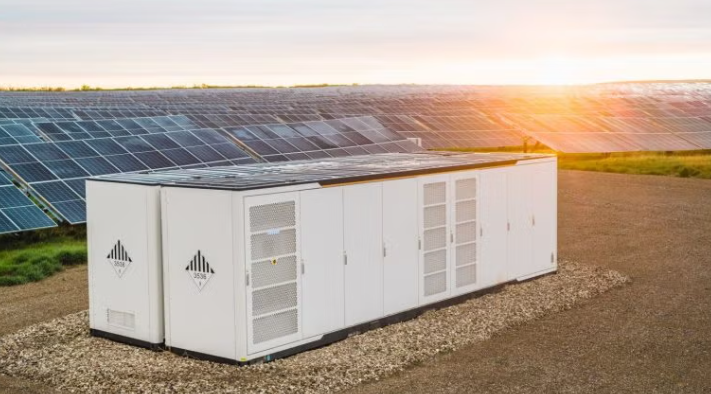
With these new solar and battery plants, Statkraft Brazil’s total renewable portfolio will reach 2.3?GW. Country manager Thiago Tomazzoli highlighted the company’s commitment to social and environmental impact: “We are committed to generating positive social impact by creating employment opportunities, enhancing local infrastructure, and establishing vocational training programmes. As part of our efforts to reduce environmental impacts, we collaborate with communities on various initiatives such as tree planting and beekeeping.”
Overall, Statkraft’s latest projects in Brazil demonstrate the company’s ongoing efforts to expand renewable energy capacity, promote sustainable development, and contribute to global climate targets through clean energy generation and community engagement.