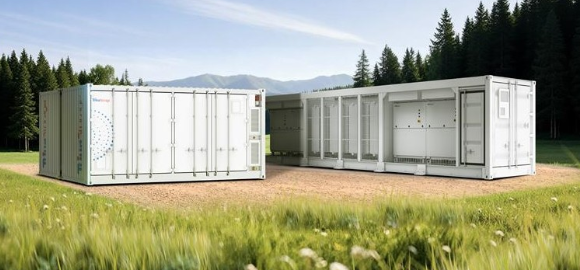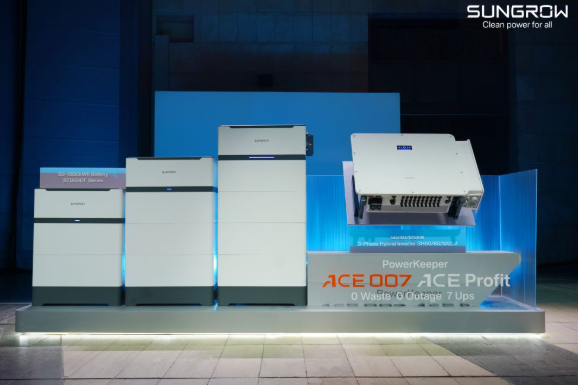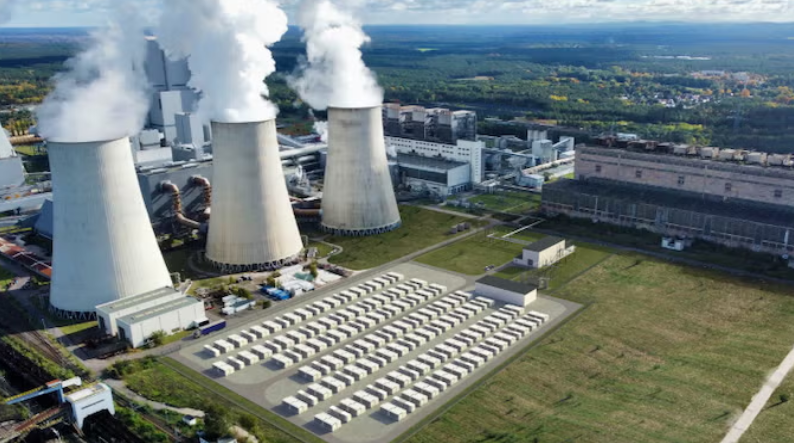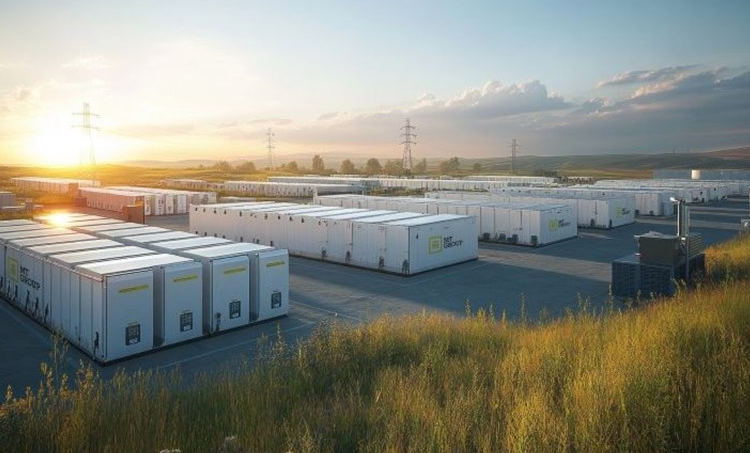
The project includes more than 700 BESS containers, making it India’s largest battery storage installation and one of the world’s biggest single-location deployments. Commissioning is scheduled for March 2026.
“The project is being developed with cutting-edge lithium-ion battery technology and is being integrated with advanced energy management systems to ensure optimal performance and reliability,” Adani Group stated in a press release. “The deployment will support peak load management and energy shifting, thereby playing a critical role in decarbonizing the power sector. This pioneering project will serve as a cornerstone in the world’s clean energy evolution, enabling grid stability, renewable integration, and round-the-clock power availability, while positioning the Khavda renewable energy plant as the world’s largest RE and storage park.”
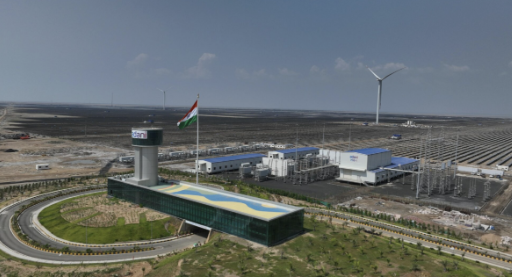
The BESS facility is designed to complement the Khavda renewable energy complex, which combines solar and wind generation, allowing the stored energy to be dispatched during periods of high demand or low renewable output. This integration is expected to enhance grid stability, reduce curtailment of renewable generation, and support India’s energy transition goals.
Adani Group has also announced plans to expand its energy storage capacity further. The company aims to add 15?GWh of BESS capacity by March 2027, targeting a total of 50?GWh within five years. This expansion will strengthen the company’s role in large-scale energy storage deployment and support India’s renewable integration efforts.
The Khavda BESS project highlights the increasing role of large-scale battery storage in supporting clean energy systems. By combining significant storage capacity with advanced management systems, the project is expected to provide flexible power supply, assist in peak load management, and enable more efficient utilization of renewable energy resources.
Through this initiative, Adani Group positions itself at the forefront of the global energy storage market while contributing to decarbonization and grid modernization. The project reflects the company’s commitment to delivering innovative solutions that enhance renewable energy adoption, ensure reliable power supply, and support sustainable growth in India’s energy sector.
Overall, the 1,126?MW/3,530?MWh BESS at Khavda will be a landmark in both India and global renewable energy storage, demonstrating the potential of large-scale batteries to transform how power is generated, stored, and delivered.