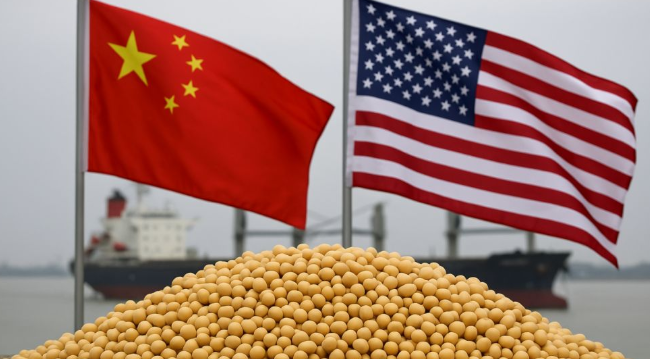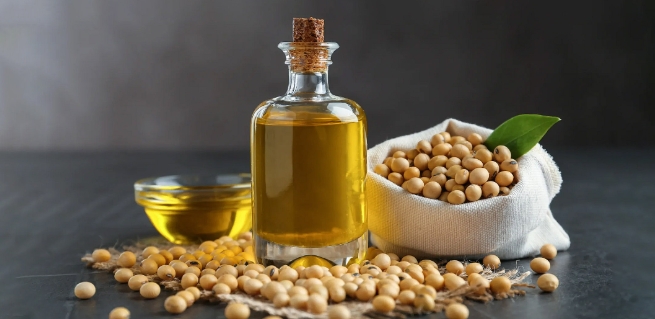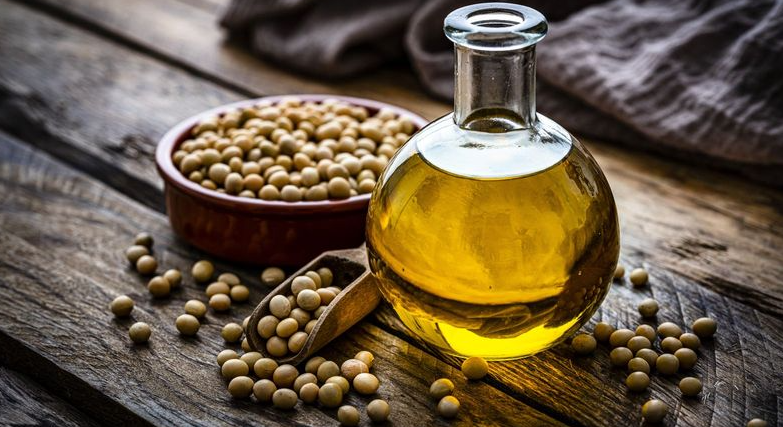
The statement did not reference products from the United States. In previous months, China purchased several shipments of US agricultural goods, including soybeans and wheat, as a gesture of goodwill amid improving trade relations. However, despite tariff reductions on certain US products, a 10% tariff remains in place on all US imports, limiting prospects for a broader trade recovery. For instance, soybean import duties were lowered from 23% to 13%, but the level remains high for private importers.
COFCO’s large-scale purchases reflect ongoing state-led procurement strategies, attracting close attention from traders. This follows a White House announcement indicating that China had committed to buying 12 million tons of soybeans by the end of the year, though Chinese authorities have not confirmed this information.
The agreements with major global traders underscore COFCO’s focus on securing stable supplies of essential agricultural commodities to meet domestic demand. Brazilian soybeans continue to play a central role in China’s import strategy, driven by both volume and quality considerations.
These transactions also demonstrate the role of state-owned enterprises in influencing commodity markets, with COFCO’s purchases helping stabilize supply and pricing expectations in the Chinese market. Analysts note that the company’s actions may affect global soybean and edible oil flows, particularly from South America.
COFCO’s approach emphasizes diversification of sourcing, with a strong focus on long-term contracts to secure reliable supplies. By engaging multiple global traders, the corporation aims to ensure continuity of imports while managing market risks associated with commodity price fluctuations and shipping logistics.
In addition to soybeans, the agreements cover soybean oil, palm oil, and other agricultural products, reinforcing China’s ongoing strategy to meet domestic processing and consumption needs. The move aligns with broader national objectives to maintain food security, stabilize prices, and support domestic industries that rely on imported oilseeds.
While the agreements did not include US-origin products, ongoing trade dialogues and tariff adjustments suggest potential future opportunities for bilateral agricultural trade. For now, COFCO’s strategic procurement from Brazil highlights the continued importance of South American agricultural exports in meeting China’s demand for key oilseeds and related products.