The logo of JBS S.A, the world's largest beef producer, is pictured at a plant of JBS in Santa Maria das Barreiras, Para state, Brazil September 12, 2025.
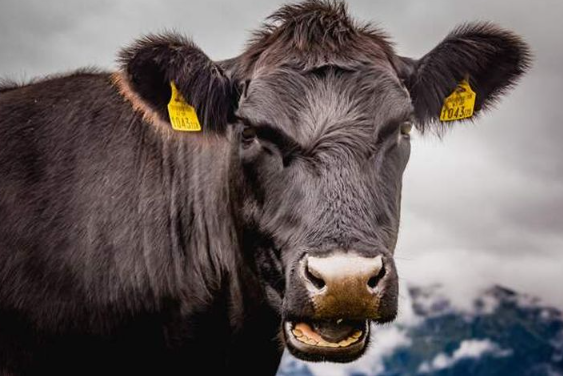
In Brazil, JBS operates multiple beef-packing plants. The company expects the country’s cattle herd to decrease by 3% to 5% in 2026. This follows a year in which farmers sent more female cows to slaughter. According to JBS, this situation is linked to market conditions rather than structural concerns. CEO Gilberto Tomazoni said the projected reduction is not a source of concern because Brazil’s herd has expanded in past years, and the expected drop does not necessarily indicate a long-term impact.
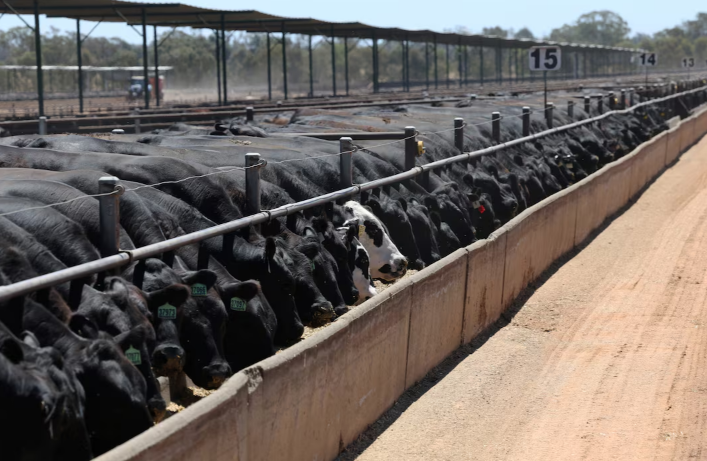
Tomazoni highlighted JBS’ long-term agreements with Brazilian farmers to secure cattle supplies. He also said livestock management improvements—such as enriched feed and a larger share of animals going through feedlots—should help balance the expected decrease in cattle availability. Brazil is the world’s largest beef exporter, giving the company a wide operational base for sourcing.
Tomazoni compared U.S. and Brazilian production efficiency, stating: “The U.S. has less than a half of Brazil's cattle herd and they produce more beef.” Analysts note that most cattle in Brazil are grass-fed, which results in lower processed weight per animal compared with the U.S. Feedlot use in Brazil is increasing but still below U.S. levels, contributing to yield differences between the two countries.
Data from the Brazilian statistics agency IBGE indicates that Brazil has 238 million head of cattle. In the second quarter, the country processed more female cows than male ones for the first time since 1997. Experts said this trend may affect calf production in future seasons if it continues. Private consultancies stated that accurately determining the real size of Brazil’s herd remains challenging. Some estimates put the figure closer to 190 million head, showing a significant gap between official and private calculations.
While uncertainties remain regarding herd size and supply trends, JBS emphasized that diversified sourcing strategies, long-term partnerships, and improvements in livestock productivity should help the company navigate expected market conditions in both the U.S. and Brazil through 2026 and into 2027.