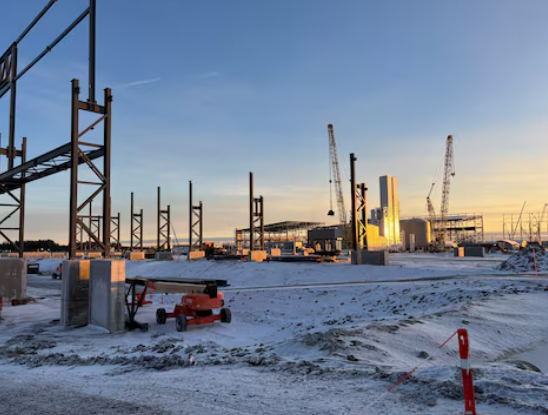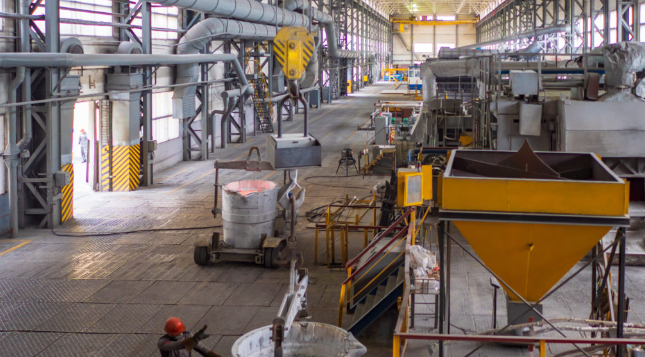
Aluminum plant.
The investment firm said on its X account that the project covered under the memorandum of understanding will require three to four years to complete. Once operational, the plant will have an operating lifespan of up to 50 years. Ethiopian Investment Holdings added that early-stage preparations are in progress. It stated: “Preliminary activities — including site identification and a comprehensive feasibility study — are already underway to ensure timely progress.”
Rusal declined to comment on the agreement. The plant is expected to support Ethiopia’s broader industrial development objectives by establishing large-scale aluminum production capacity within the country. The investment also reflects an expanding project pipeline as the government continues to attract interest from international partners in strategic sectors.
In August, Ethiopia and Nigeria’s Dangote Group signed an agreement to construct a $2.5 billion fertilizer manufacturing facility in the southeastern region of the country. The agreement represented a significant addition to ongoing industrial development efforts. The fertilizer project aims to strengthen local production capability and support agricultural development over the long term.
In September, Russia and Ethiopia signed an action plan outlining cooperation in the development and construction of a nuclear power plant in the East African nation. The plan sets out the initial framework for future work, including technical cooperation and infrastructure preparation. These recent agreements reflect Ethiopia’s strategy of expanding its industrial and energy infrastructure through partnerships with international companies and government entities.
The newly announced aluminum smelter project with Rusal is part of this broader pattern of investment commitments. By combining long-term operational plans with ongoing preliminary assessments, Ethiopian Investment Holdings aims to ensure that the project advances on schedule. The investment company highlighted the importance of early activities such as location selection and feasibility evaluation to support smooth project development.
Ethiopia’s recent agreements in sectors including aluminum, fertilizer, and nuclear energy show a diversified approach to industrial expansion. The aluminum smelter project, estimated at $1 billion for its initial phase, stands out as a substantial commitment with a projected 500,000 metric tons of annual production capacity once fully operational.